 Skip to main content



Electronic Chart Display and Information Systems (ECDIS) are now central to modern navigation. They support passage planning, monitoring and decision-making on the bridge, helping mariners manage increasingly complex operating environments.
But, as systems become more capable, effective use still depends on how well bridge teams understand the information they are working with.
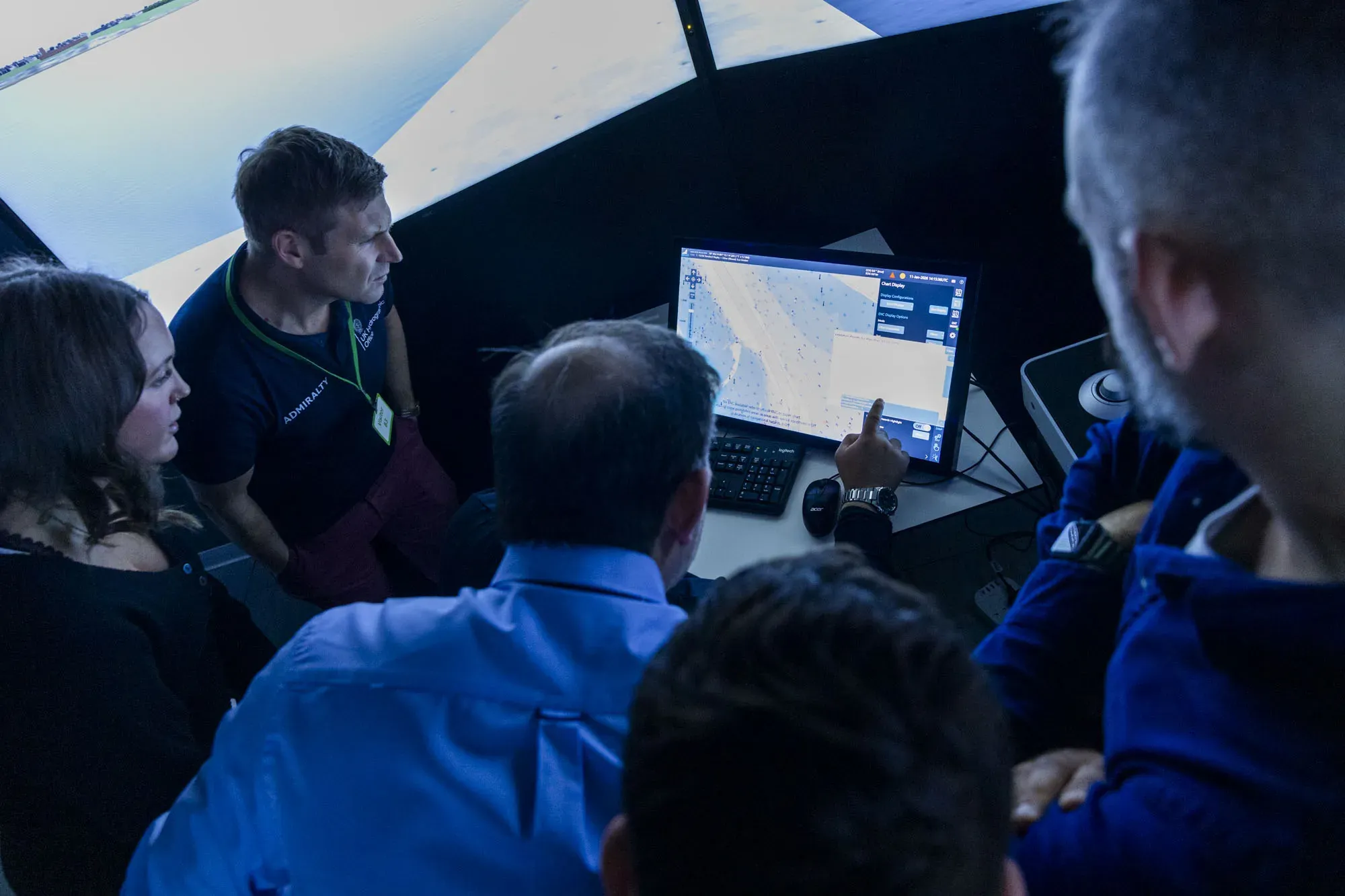
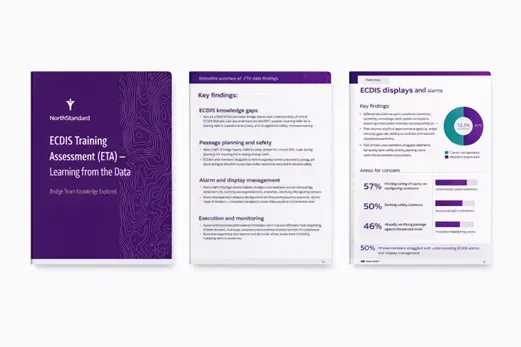
New insights from NorthStandard’s report ECDIS Training Assessment (ETA): Learning from the Data provide a useful snapshot of how ECDIS is being used in practice today. Experts from the UK Hydrographic Office were also closely involved in supporting the development of the ETA tool, helping shape the assessment questions based on real-life ECDIS scenarios.
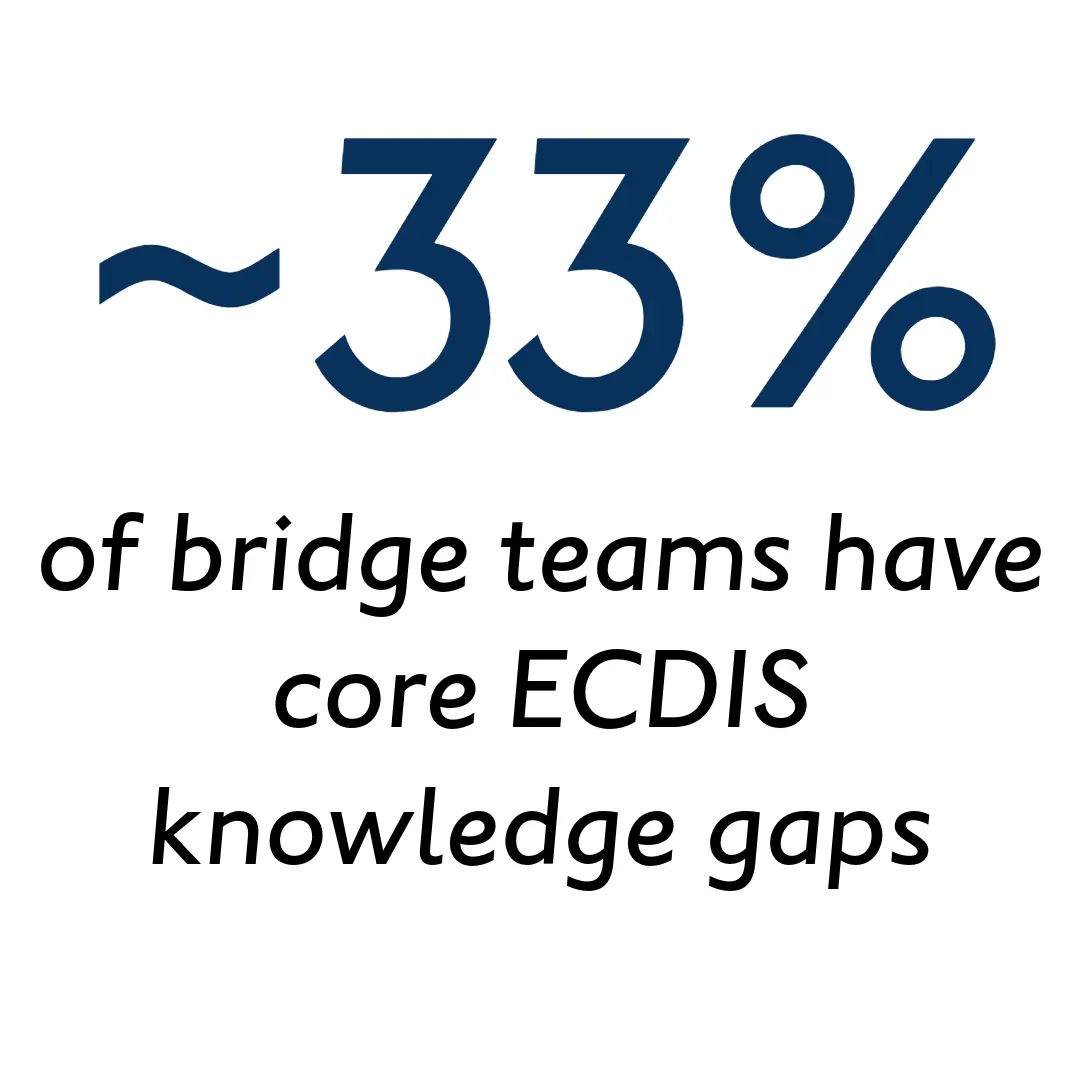
Based on more than 5,000 assessments conducted since early 2024, the report highlights areas where knowledge is strong, and where further understanding can help strengthen navigational safety.
Key findings
What the ETA report data shows
NorthStandard’s analysis identifies several recurring themes. Many relate not to the technology itself, but to how it is configured and interpreted by users.
Examples highlighted in the report include:
- Safety settings not always aligned correctly with charted depths
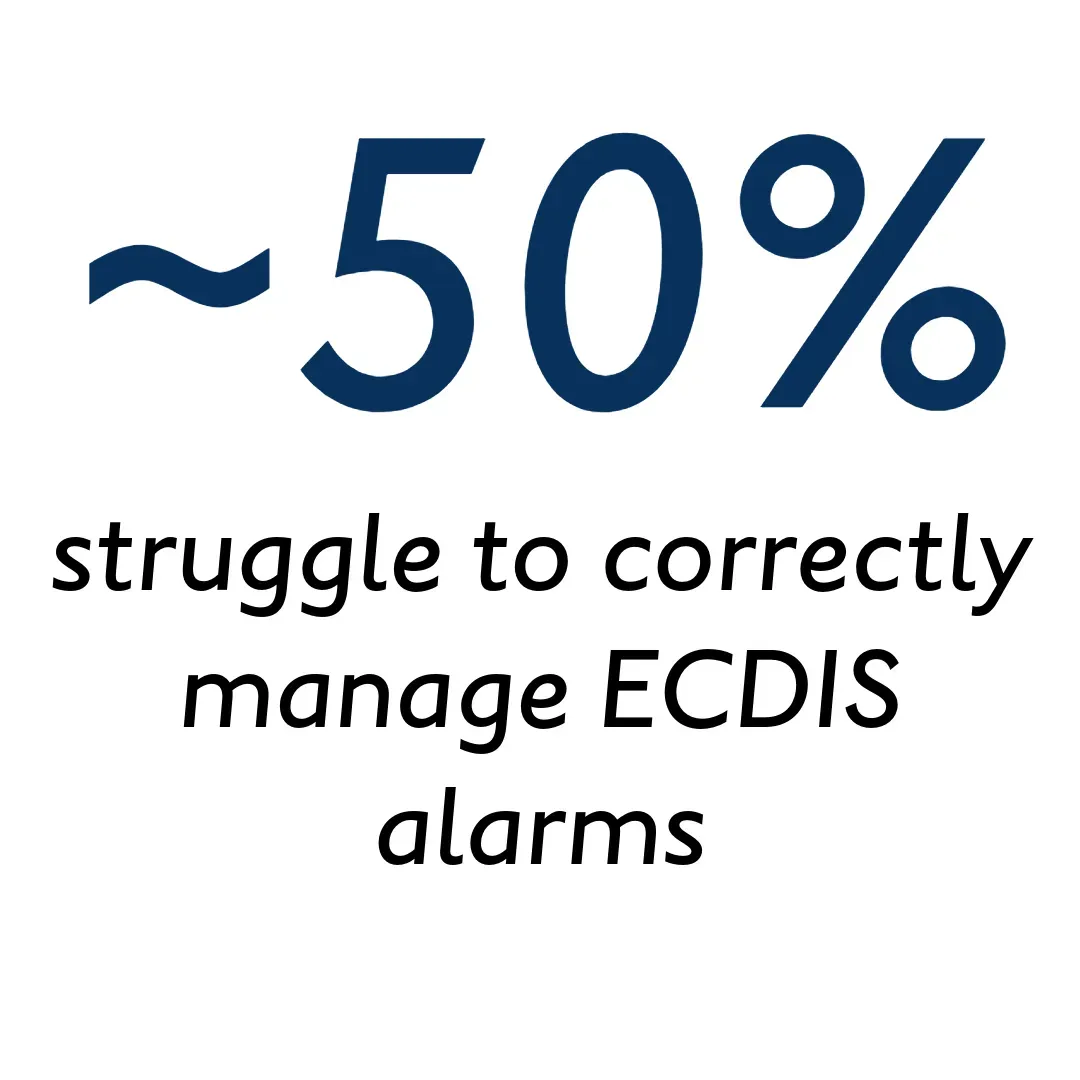
- Alarm settings that are misunderstood or incorrectly configured
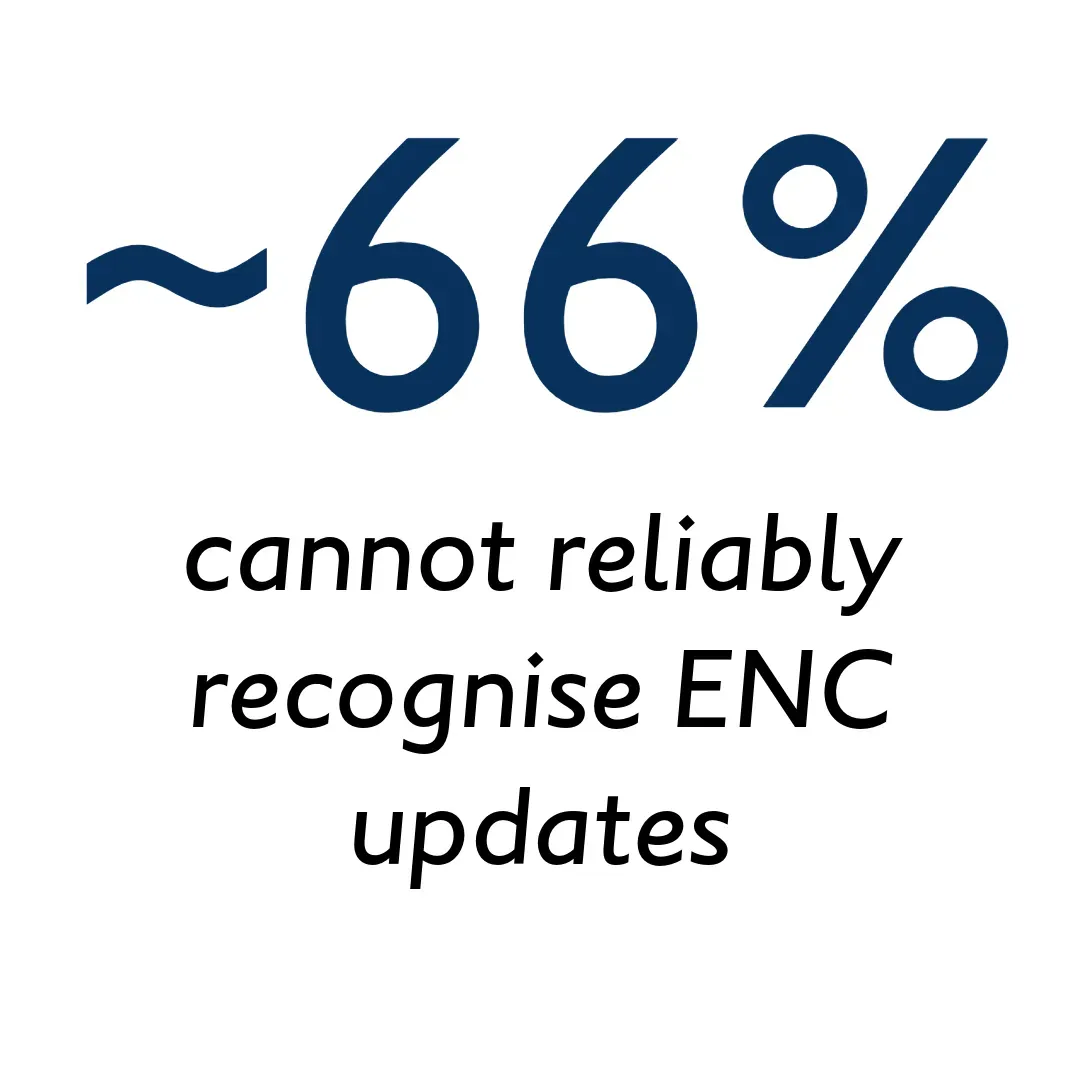
- ENC updates not always fully understood by users
- Data accuracy indicators not consistently interpreted when making navigational decisions
These are practical issues that can affect situational awareness on the bridge. For example, if safety contours or depth settings are configured incorrectly, alarms may trigger too often – or not at all. This can lead to alarm fatigue or missed warnings. Similarly, misunderstanding ENC accuracy indicators may lead bridge teams to place too much confidence in data in areas where hydrographic coverage is limited.
Tom Mellor, who is Head of Technical Partnerships at the UK Hydrographic Office (UKHO) and also Chairman of the International Hydrographic Organization (IHO) ENC standards maintenance working group, says the findings highlight the continued importance of system understanding:
Body“ECDIS is a powerful tool whose use demonstrably improves navigational safety, as well as situational awareness, when used properly. However, improper use can lead to alarms and indications not functioning as expected - and ultimately navigational errors. These findings help identify where knowledge gaps exist today, so they can be addressed through targeted training; supporting confident use of current systems and helping crews build on familiar ECDIS principles as S-100 data is introduced”
Why continuous learning matters
The report reinforces a familiar reality across the industry: most ECDIS-related risk does not come from a lack of capability, but from how systems are set up and used in day-to-day operations.
Many mariners receive strong initial training, but practical understanding can drift over time as bridge procedures evolve or as they encounter new software and hardware. Refreshing knowledge of core concepts such as ENC updates, alarm behaviour and data confidence indicators helps ensure ECDIS continues to support safe decision-making.
This focus on strengthening digital navigation skills is also reflected in wider changes to maritime training.
The UK’s Maritime and Coastguard Agency (MCA) is introducing a “digital first” approach to cadet training through its Cadet Training & Modernisation Programme. New syllabuses include topics such as cyber security, digital charts and modern navigation systems, alongside the introduction of digital assessment methods. Historically, mariners often learned navigation on paper charts before transitioning to digital systems. Moving towards digital-first training is expected to strengthen understanding of how systems like ECDIS behave and how data should be interpreted — helping to address some of the knowledge gaps highlighted in this report.
John Southam, Loss Prevention Director – Greece at NorthStandard says the results reinforce the need for continuous professional development programmes:
BodyECDIS knowledge can diminish over time, especially for features that are not used regularly. NorthStandard’s ECDIS Training Assessment enables members to refresh their knowledge of ECDIS, and support crew competence by reinforcing correct usage in line with current guidance and system functionality.
Supporting safe and effective ECDIS use
For mariners and operators looking to strengthen their understanding, a range of guidance is available to support safe and effective ECDIS use.The UK Hydrographic office provides guidance in its ADMIRALTY reference publications, which could support crews with addressing some of the key knowledge gaps, such as:
- ADMIRALTY Guide to Practical Use of ENCs (NP231) - offering a detailed guide to practical ENC use and ECDIS display settings
- ADMIRALTY Guide to ENC symbols used in ECDIS (NP5012) - with detailed descriptions of ENC symbols dispalyed in ECDIS
Several of these references are included within North Standard’s ETA tool to help mariners address gaps in understanding identified through the assessments. Together, these resources support a shared goal across the industry: ensuring bridge teams can confidently interpret the information their navigation systems provide.
Looking ahead to S-100
As digital navigation continues to evolve, maintaining strong foundations in ECDIS understanding will remain essential. Future developments such as S-100 data standards will introduce additional data sets and capabilities, but the core principle remains the same: safe navigation depends on mariners being able to interpret data correctly and understand how their systems behave.
Strengthening ECDIS knowledge today helps ensure bridge teams remain confident in using the navigation tools available to them tomorrow, which S-100 sea trials are beginning to reveal.
Read more on this topic

Search Title
Reducing friction in passage planning
Efficient passage planning depends on bringing together trusted information from multiple sources. As the volume of information available to bridge teams grows, the challenge is increasingly about finding what matters and understanding it efficiently. We explore how reducing unnecessary friction can give navigators more time to focus on the decisions that support safe navigation.
Search Title
Understanding ECDIS: Beyond the default 30m safety contour
Setting the ECDIS safety contour correctly is one of the most effective things a bridge team can do to prevent grounding. When configured for the vessel's actual draught, margins and operating conditions, it controls how depth information is displayed in ECDIS and alerts the crew before the vessel approaches unsafe water.
Search Title
Understanding ECDIS alerts: How to reduce alarm fatigue
For most navigators, the sound of an ECDIS alert is unmistakable. Depending on the watch, an ECDIS alert can mean anything from a routine chart update to an imminent grounding risk. The challenge is knowing which is which – and acting accordingly.