 Skip to main content




Explore S-100 and the transition ahead
This page is designed to help you build your knowledge of S-100, as the maritime industry begins the transition to a new framework.
Explore accessible learning, practical insights and resources that explain what S-100 is, how the transition is taking shape and what it could mean for you.
Whether you’re new to S-100 or looking to develop your understanding, start here and explore the topics most relevant to you.
Introduction to S-100

1 | Welcome and course overview
Discover what S-100 is and how it will transform the future of digital marine navigation
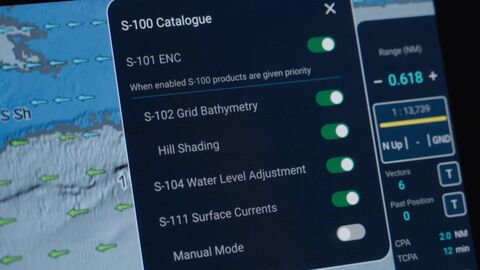
2 | What is S-100?
See how S-100 brings different types of maritime data together in a single view
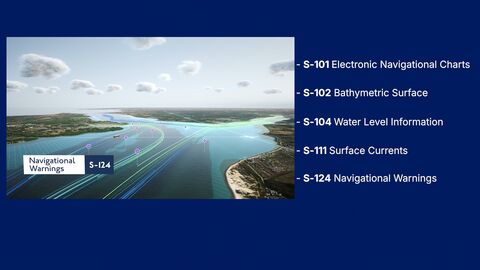
3 | Understanding S-100 product specifications
Learn how different S-100 products work together to support safer, more informed navigation
Discover 'phase 1' product specifications
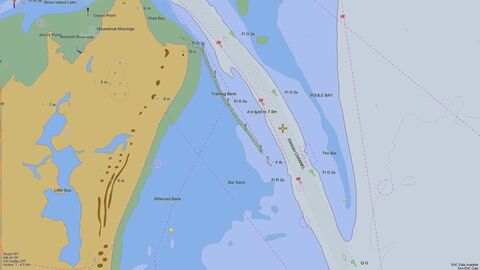
4 | S-101 Electronic Navigational Charts
Explore how S-101 builds on S-57 ENCs to support richer maritime information
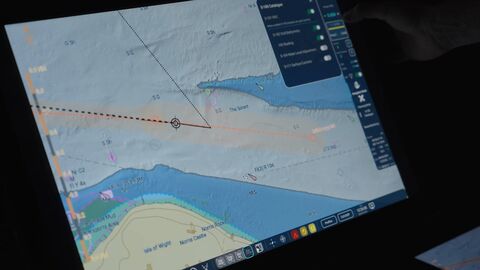
5 | S-102 Bathymetric surface
Discover how detailed seabed data could support safer navigation and more efficient route planning
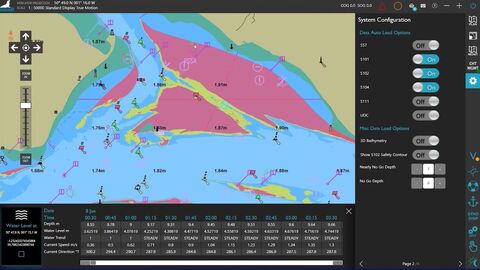
6 | S-104 Water levels
Understand how S-104 water level information could improve situational awareness and support safer navigation and voyage planning.
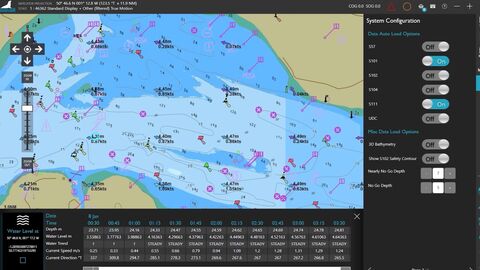
7 | S-111 Surface currents
Learn how S-111 enables surface current data, which could support smarter route planning and improved fuel efficiency
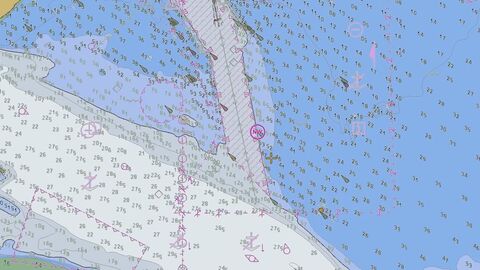
8 | S-124 Navigational warnings
Explore how S-124 enables navigational warnings to be displayed within ECDIS, supporting safer decision-making
Preparing for the S-100 transition
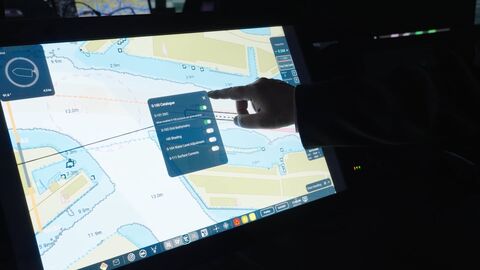
10 | Understanding the timelines
Understand what to expect as the maritime industry transitions to S-100
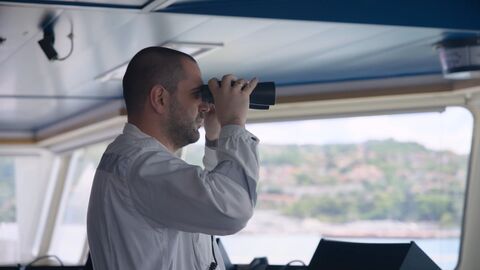
11 | How can I prepare?
Learn how staying informed today can help you prepare for the future of navigation

9 | The S-100 ecosystem
See how S-100 combines multiple data layers to create a clearer picture for mariners
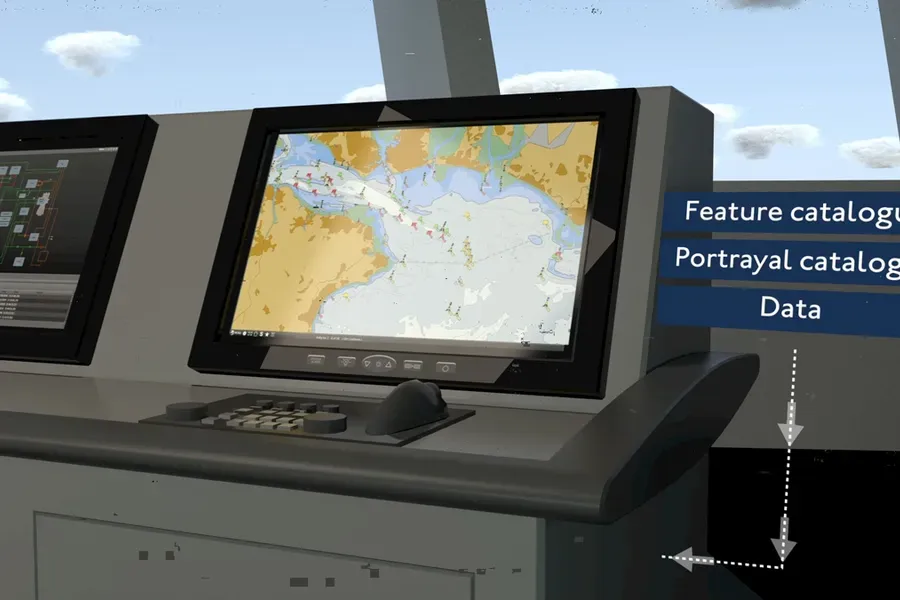
Explore S-100
Dive into our interactive journey to explore the emerging S-100 data standards and begin to see how richer, interoperable data could shape the future of safe, efficient navigation.