 Skip to main content



In 2026, the UK Hydrographic Office (UKHO) brought S-100 data into a live training environment at ECDIS Ltd, working alongside industry partners to explore how the next generation of hydrographic data performs in realistic navigation scenarios.
Explore an S-100 simulator trial at ECDIS Ltd
This simulation exercise focused on how S-100-enabled navigation could support mariners in practice, particularly in high-risk, high-precision environments.
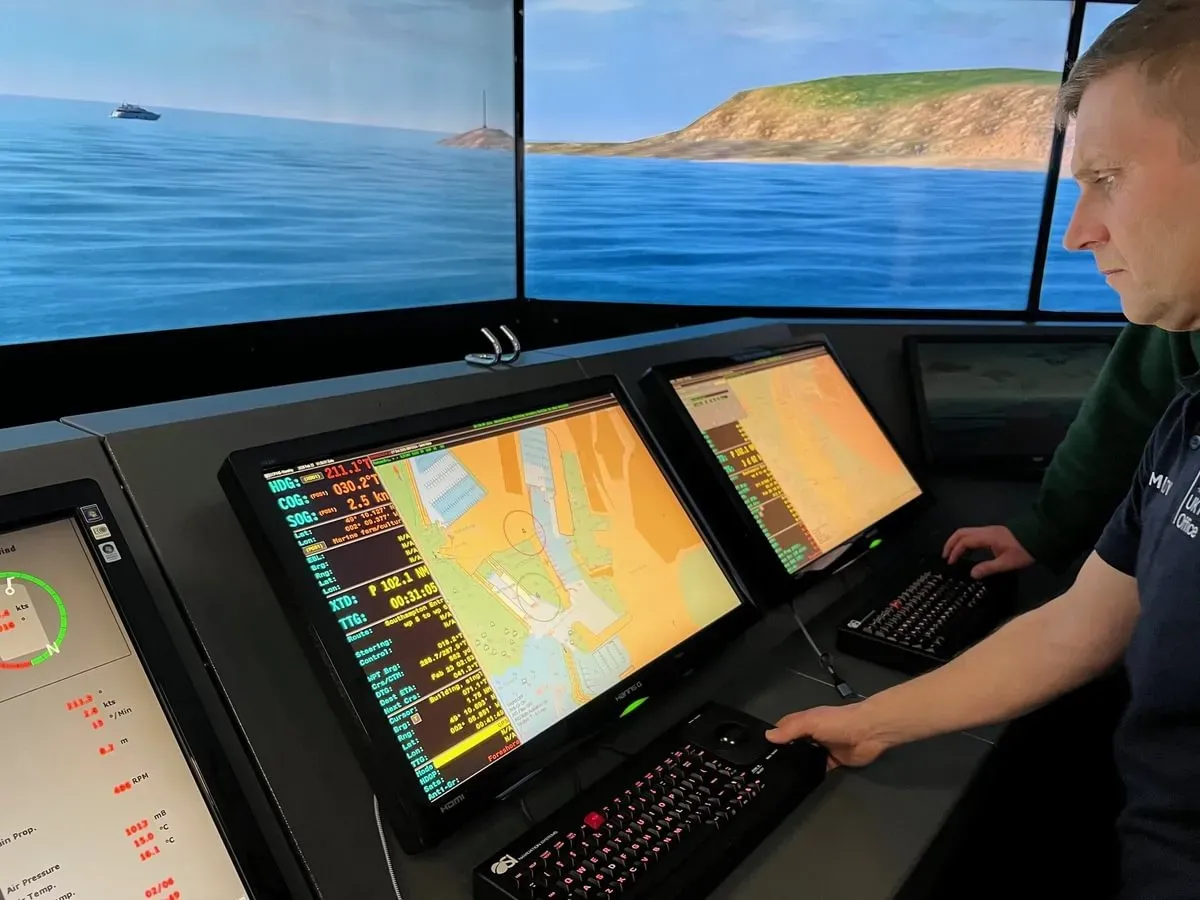
Using UKHO S-100 test data, ECDIS Ltd's state-of-the-art bridge simulator and OSI's latest ECPINS 7 warship ECDIS; we examined how the 'phase 1' S-100 product specifications performed and displayed. UKHO experts were joined at this trial by Patrick Kelly, Software Product Development Manager at OSI Maritime Systems and Debbie Hull, Managing Director at ECDIS Ltd, who offered their insights from users who had had the chance to test early S-100 enabled ECDIS.
This simulator trial forms part of our wider programme of S-100 sea trials, helping to build understanding across the industry as implementation approaches.
Watch our video to hear directly from experts involved with the ECDIS Ltd simulator trial.
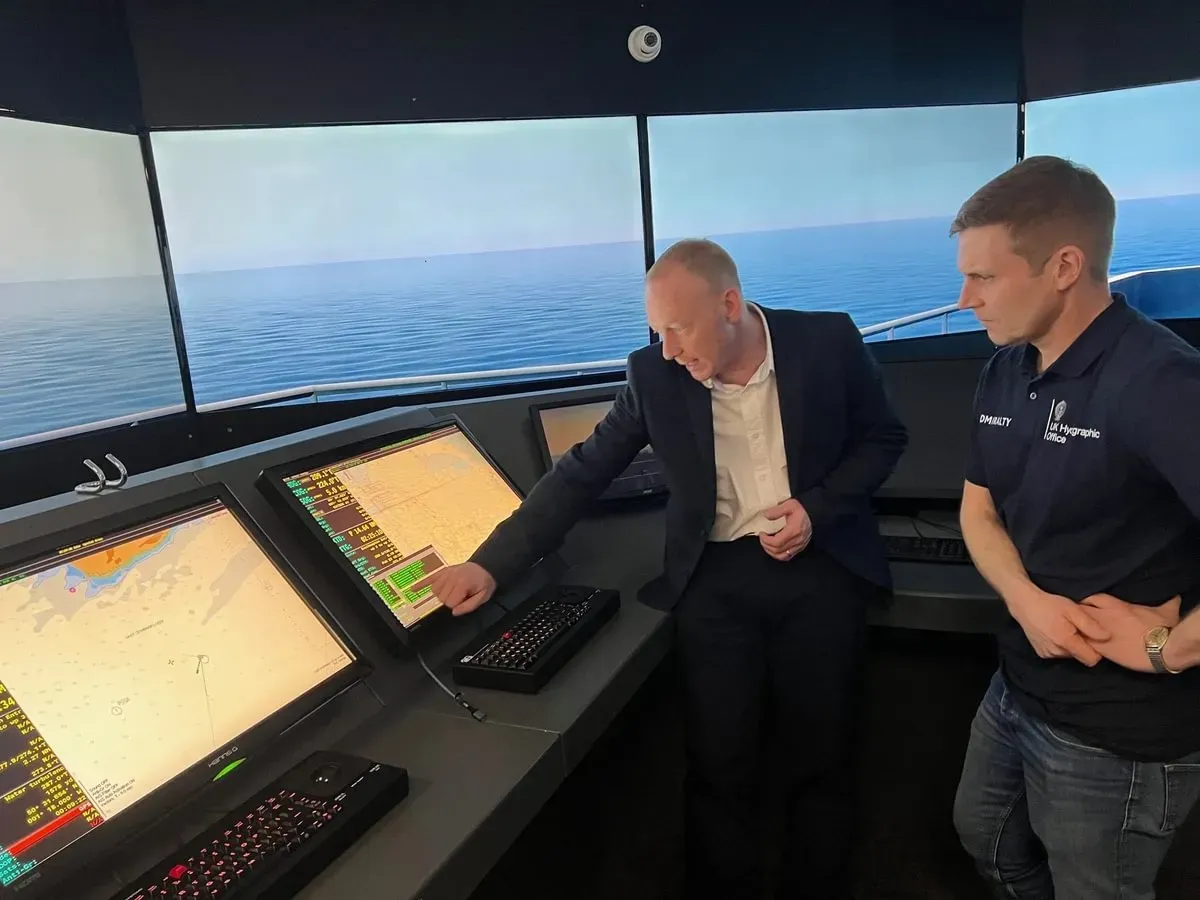
S-100 on the bridge
While S-100 development is progressing steadily, this simulated sea trial helped to:
- Place S-100 data into a realistic operational context
- Bring together data producers, equipment manufacturers and training providers
- Capture first-hand feedback from those closest to the end user
Rather than theoretical benefits, the focus was on how S-100 behaves when decisions need to be made in real time.
From concept to context: testing S-100 in practice
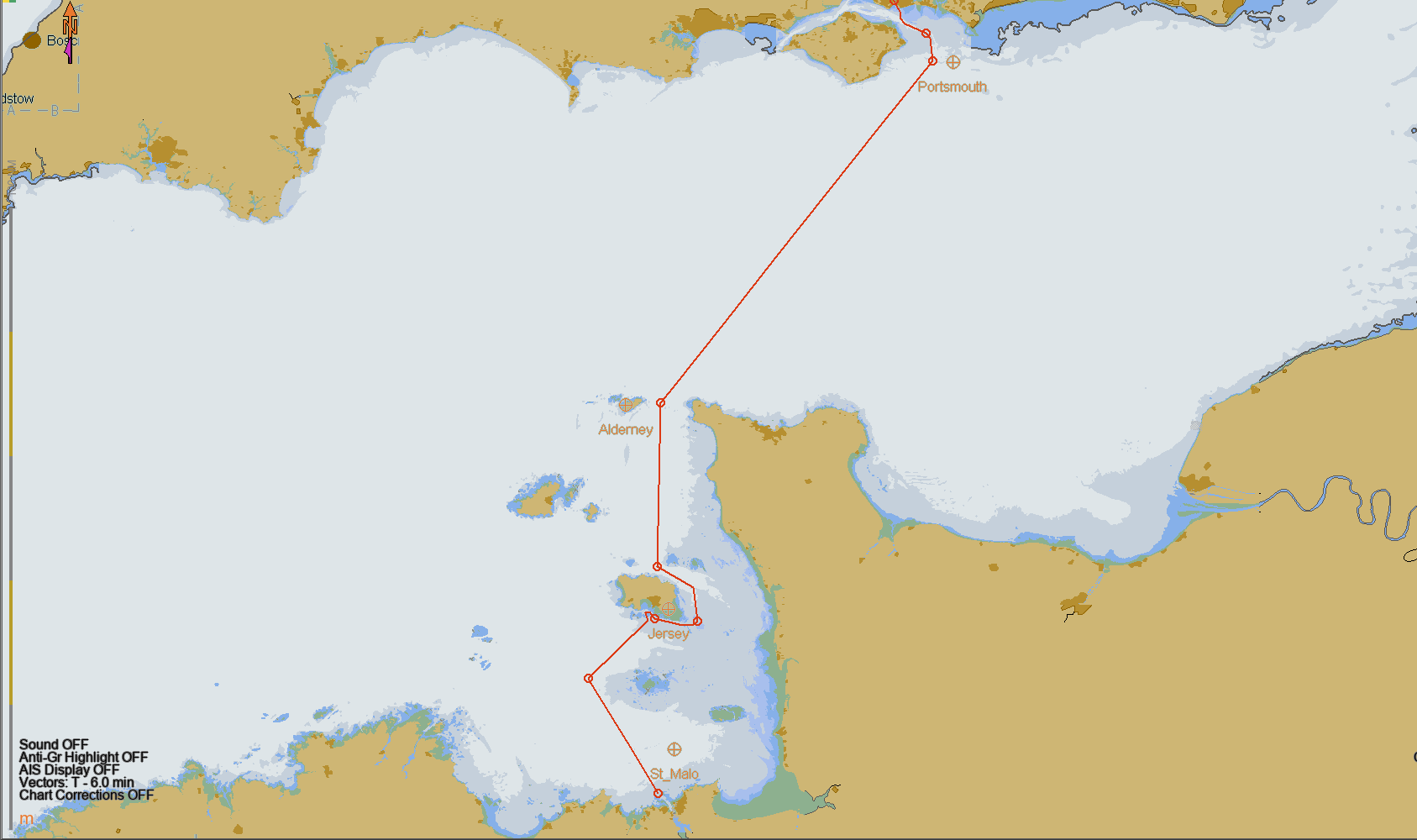
The trial simulated navigation scenarios in areas including Southampton and the Channel Islands, allowing participants to explore how multiple S-100 data sets interact within a single ECDIS environment. This trial tested a combination of S-101, S-102, S104, S-111 and S-124 data.
Key areas of focus included:
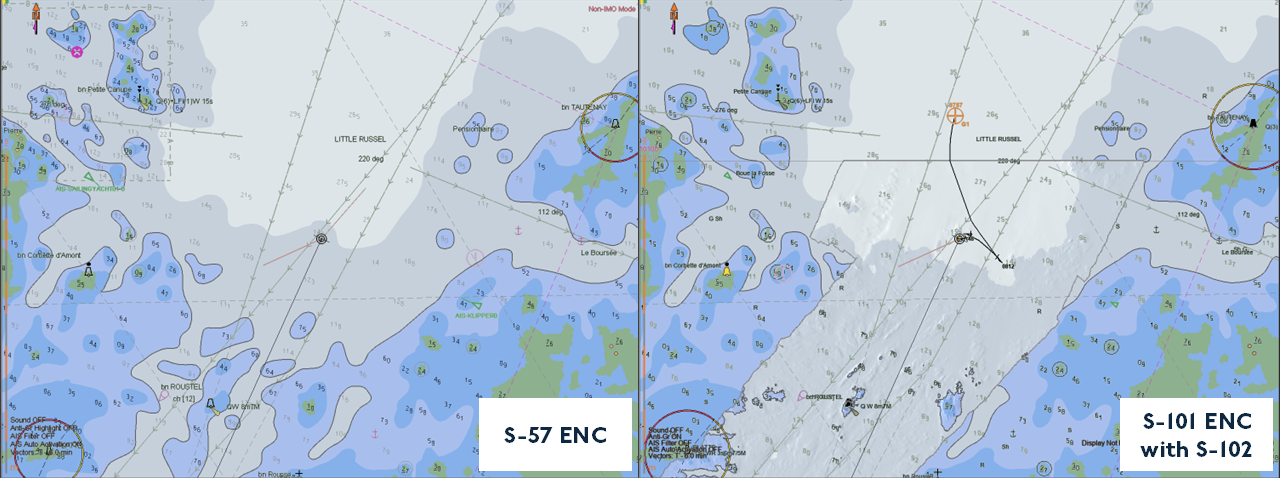
- Route monitoring and situational awareness - comparing S-57 and S-101 ENCs
- Use of high-resolution bathymetry (S-102) in confined waters
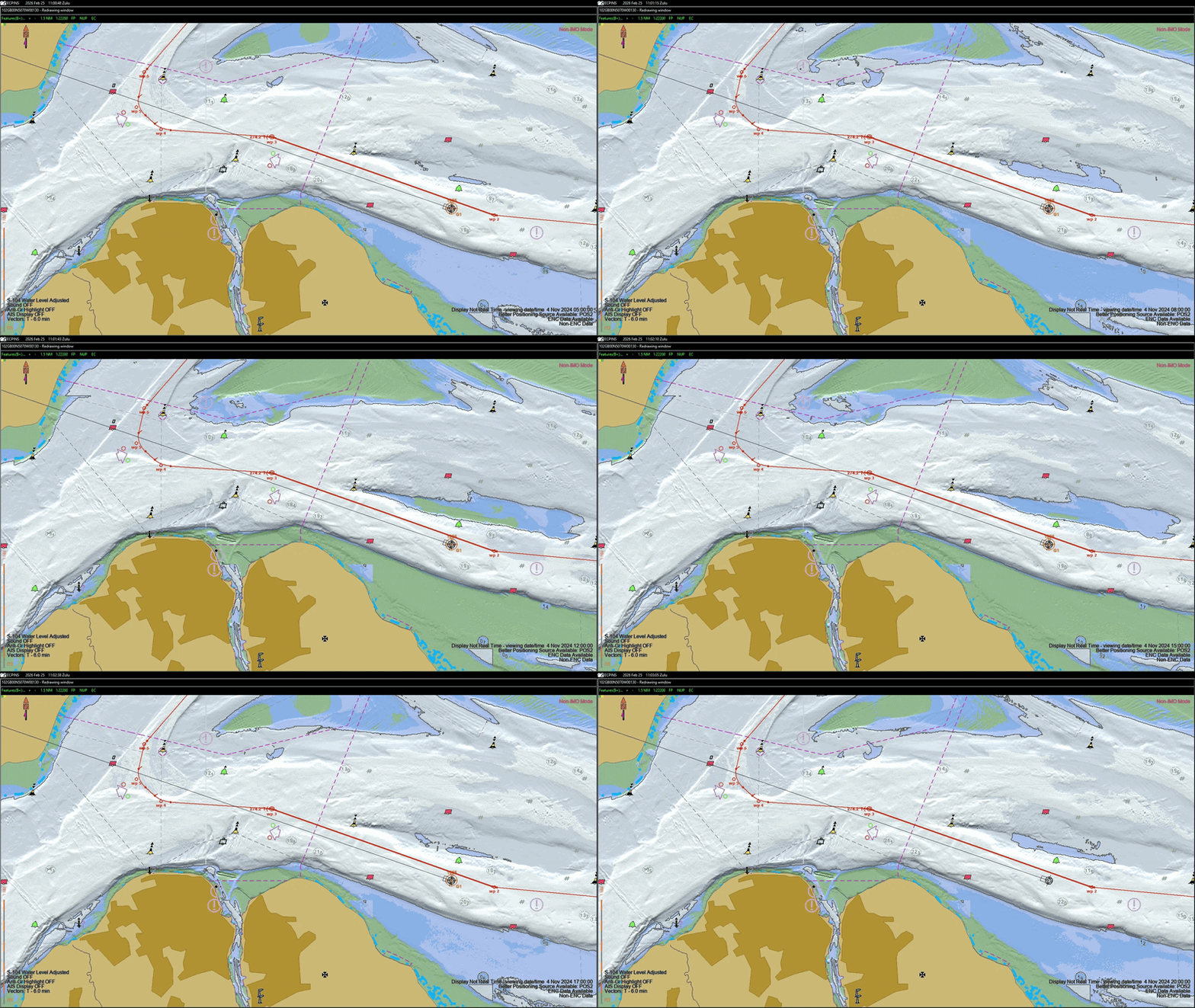
- Dynamic water level adjustments, combining S-102 and S-104
- Visualisation of surface currents (S-111)
- Display of navigational warnings (S-124)
These scenarios enabled a more holistic view of how S-100 could support decision-making, not just as individual products, but as a connected data ecosystem.
Observing the benefits
Feedback from ECDIS Ltd highlighted the potential for S-100 to support more efficient navigation in restricted areas.
From early testing, it was evidenced how S-100 data could allow mariners to maintain more consistent courses more confidently, rather than conservatively adjusting routes to avoid waters that previously would have been deemed too shallow.
There was genuine optimism for improved clarity on the bridge, including:
- Greater navigational precision in confined waters and port approaches - providing a clearer picture of available safe water
- More detailed bathymetric data enabled a more specific safety contour to be set
- Coloured buoyage increased immediate recognition and situational awareness
- Refined text placement reduced clutter in dense chart areas
Dynamic water level adjustment
One of the most significant benefits demonstrated was how multiple S-100 datasets worked together. In particular, bathymetric surface (S-102) and water levels information (S-104) allowed us to test dynamic water level adjustments:
- Mariners could see real-time adjustments to available depth
- Previously inaccessible routes (e.g. secondary channels) became potentially usable under the right conditions
- Data layers were presented seamlessley without overwhelming the display
This begins to illustrate how S-100 could support more dynamic, context-aware navigation.
Managing complexity and user control
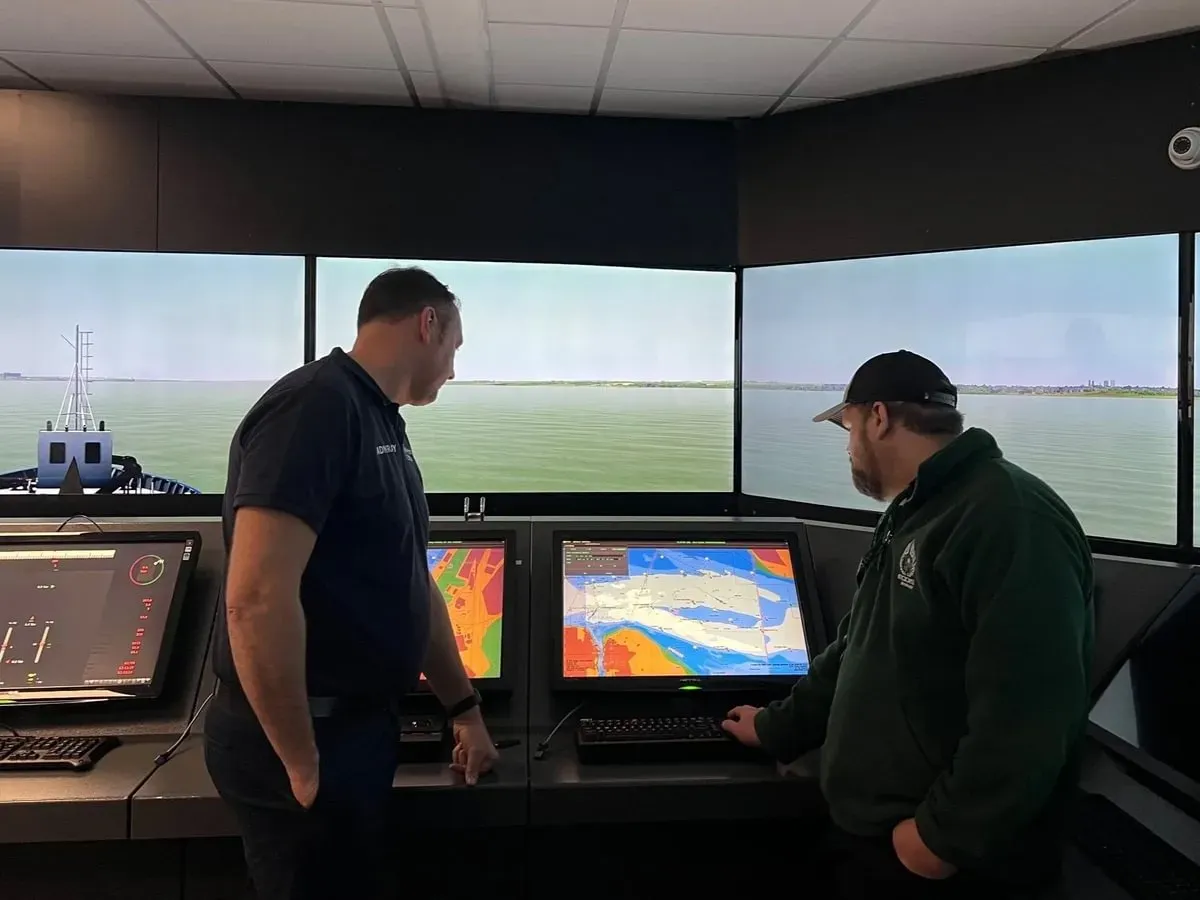
One recurring theme was the balance between data richness and usability; mariners using S-100 ECDIS for the first time were reported to often raise concerns around 'information overload'.
ECDIS Ltd representatives shared how these concerns were often alleviated with a greater awareness of how the data sets can be layered and 'toggled' on and off during the planning and monitoring stages. As such, training and familiarisation will be essential to support a smooth transition for users.
What we learned
Beyond the technical and functional observations, the session surfaced several important considerations for industry readiness:
- Continued testing of data presentation will remain important - both from a manufacturer and usability perspective
- Testing in different navigational scenarios demonstrates the real-world benefits S-100 can offer in terms of safety, efficiency and port optimisation
- User training and familiarisation will be critical for users to unlock the benefits S-100 has to offer
- As we enter an initial transition period of 'dual fuelling' S-57 and S-100 data, clarity on data coverage and accuracy will be vital
A comprehensive S-100 trials programme
This simulator trial is one of a series of activities taking place as part of the UKHO's wider S-100 sea trials programme. Further sessions, including additional simulator trials and live vessel testing, will continue to build a clearer picture of:
- Operational readiness
- User experience
- Industry preparedness
As the programme continues, feedback, insights and learnings will be shared back with the maritime community to ensure product specifications are shape with the user in mind.
Read more on this topic
Search Title
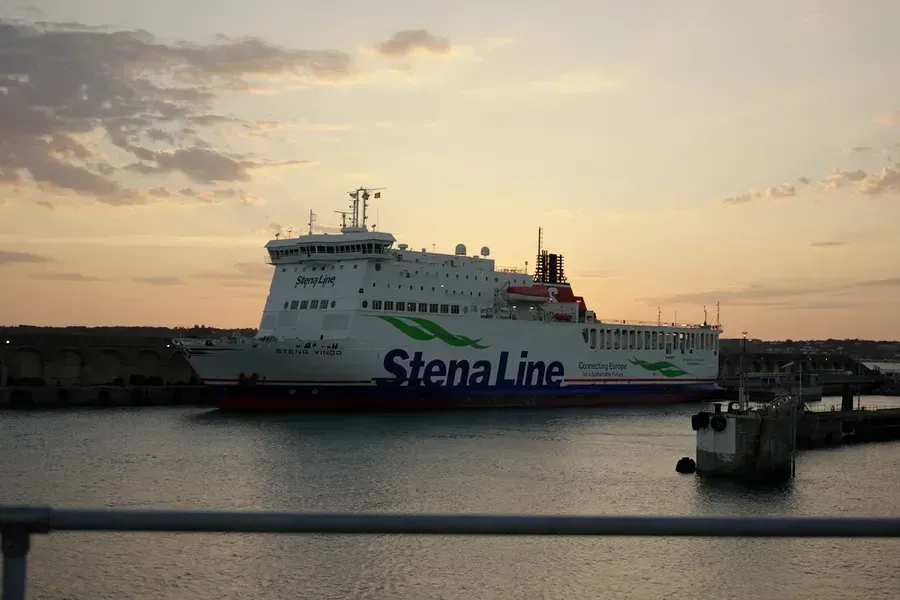
Inside the trials: testing S-100 aboard Stena Vinga
What happens when emerging S-100 data and technology move from the simulator environment onto the bridge of a working vessel? A sea trial aboard Stena Vinga put S-100 to the test on a challenging passage between Portsmouth and St Helier, Jersey, helping the UK Hydrographic Office and its partners better understand how S-100 can be developed to meet the needs of mariners.
Search Title
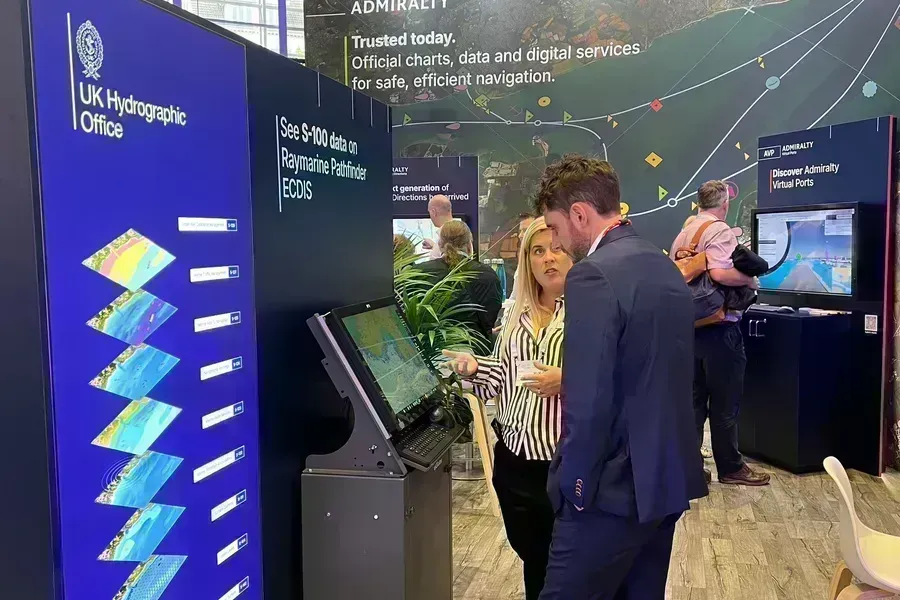
S-100: your questions answered
Across recent UKHO webinars and industry events, several questions have appeared repeatedly. Here, we address some of the most common and look at what mariners and operators need to know at this stage of the transition.
Search Title
S-131: building the data foundations for connected ports
Discover how S-131 could help make trusted, machine-readable port infrastructure data more accessible and usable, supporting safer navigation, more efficient port calls and increasingly digital maritime operations.