 Skip to main content



The UK Hydrographic Office (UKHO) has completed a series of bridge simulator trials for its next-generation S-100 data. Conducted in realistic scenarios, the trials enabled the UKHO to evaluate the performance of its S-100 products and gain insight into how they are used on the bridge to support safe navigation. These findings will guide the ongoing development and refinement of the UKHO’s S-100 products, ensuring they meet mariners’ needs.
Developed by the International Hydrographic Organization (IHO), the S-100 framework is designed to provide mariners with a more detailed view of their surroundings to improve navigational decision-making. S-100 will be introduced alongside existing S-57 services, with both expected to operate in parallel for years.
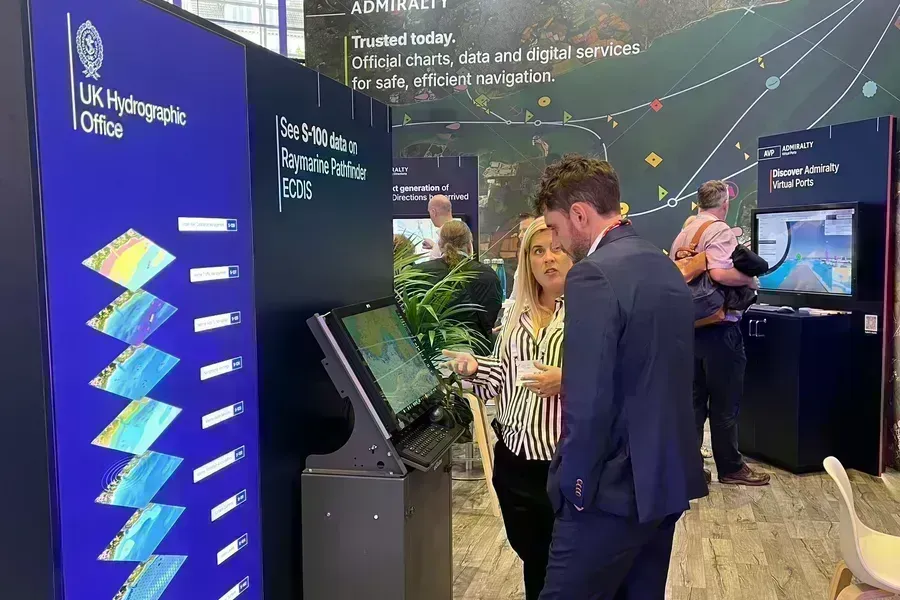
The S-100 framework consists of multiple data layers that offer granular, dynamic insights into the maritime environment. These layers are interoperable and can be unified within a single display to improve clarity and confidence on the bridge, especially when navigating in complex waterways.
The trials took place over 5 days at Carnival Corporation’s Center for Simulator Maritime Training (CSMART) facility in Almere, Netherlands, a world-leading centre for advanced navigation simulation. The sessions brought together a broad cross-section of the maritime community, including ports, hydrographic offices, marine pilots, shipboard captains and deck officers, land-based marine managers and maritime technology providers.
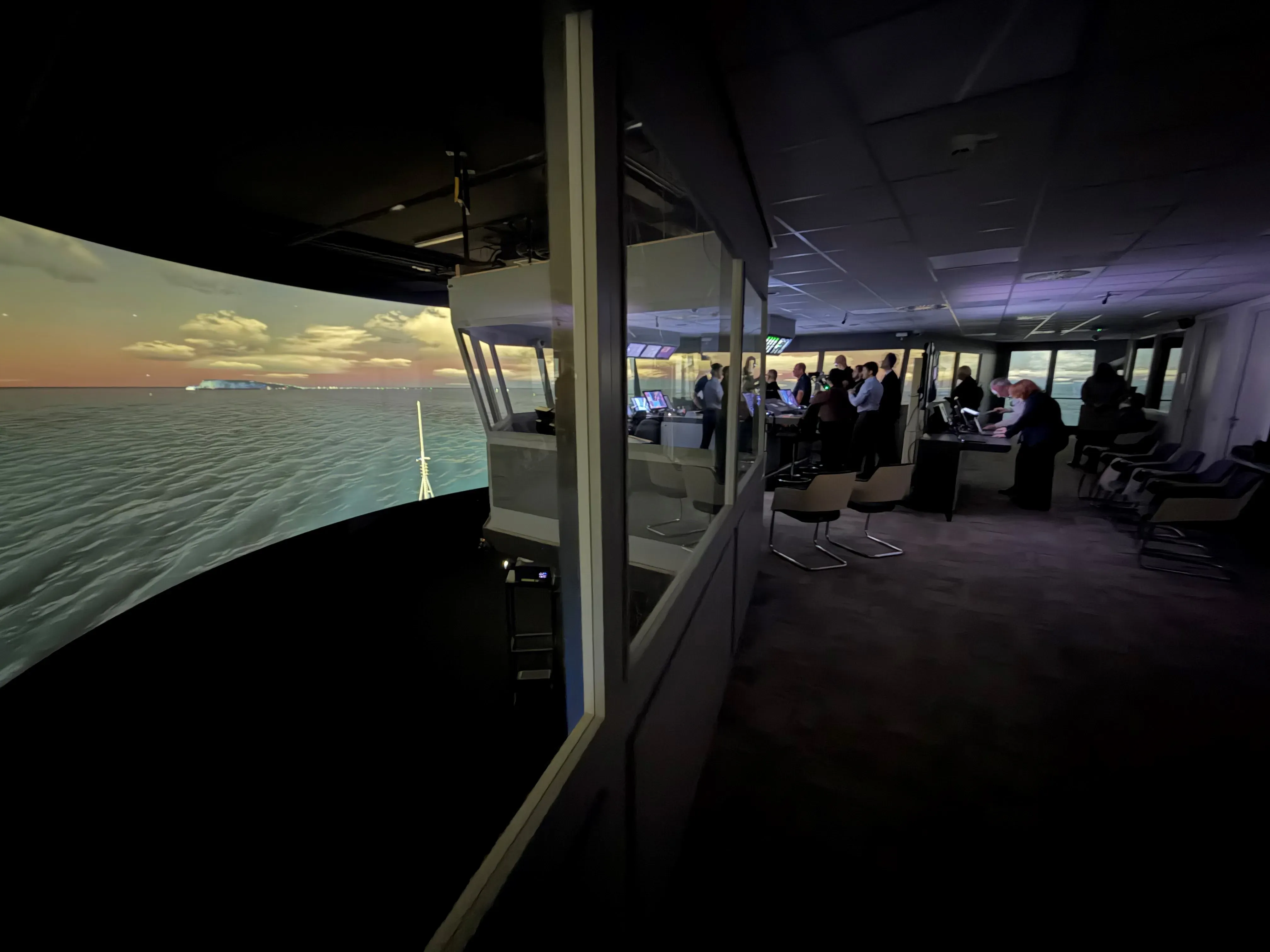
Evaluating S-100 in realistic simulator environments
The trials formed part of the IHO S-100 Test Bed in Confined Waters, an internationally coordinated effort to validate S-100 data standards across operationally demanding navigational environments.
The UKHO invited marine pilots from Southampton and London to participate in the trials. With first-hand experience of working in the port, the pilots played a key role in making the simulations as realistic as possible, enabling a more robust evaluation of the UKHO's S-100 data. Their knowledge of the local waters was particularly valuable in showcasing how the information provided by S-100 can be applied in genuine operational contexts to enhance navigational safety within port environments.
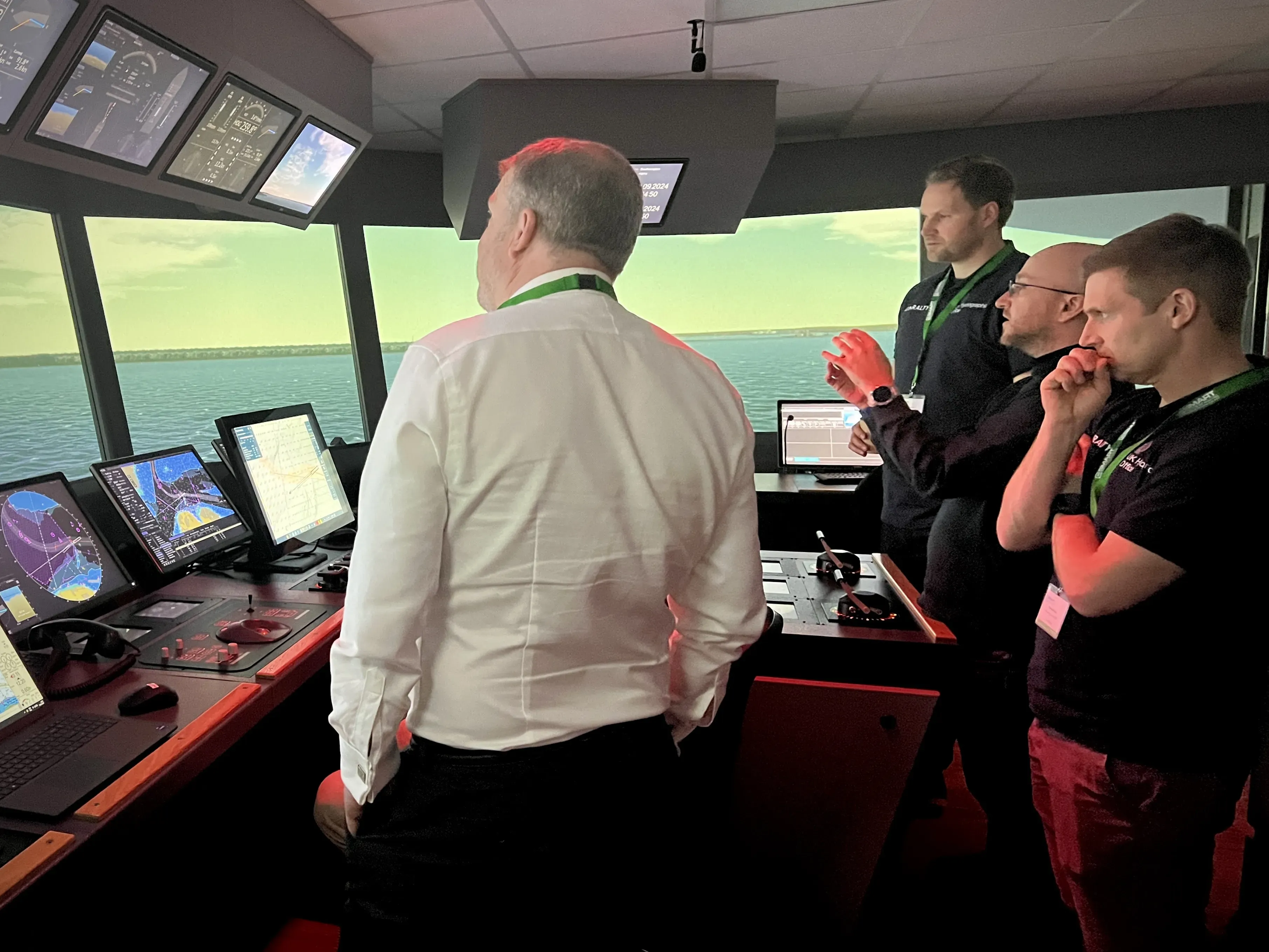
During the trials, Carnival Cruise Ship mariners, with the support of the pilots, conducted repeated port approaches, transits and departures using bridge simulators equipped with two S-100-capable Electronic Chart Display Information System (ECDIS) units and S-100 portable pilot units (PPUs). In each simulation, mariners actively switched between different S-100 data layers–providing information on bathymetry, water levels, tidal heights and surface currents–while manoeuvring through simulated port scenarios with tight safety margins.
The simulator trials replicated scenarios from four ports, all widely recognised for their operational complexity. These included: Port of Rotterdam, Netherlands; Port of Napier, New Zealand; Port of Melbourne, Australia and Port of Southampton, United Kingdom. S-100 data sets for each port were created by their respective national hydrographic offices.
Comprehensive feedback on UKHO S-100 data
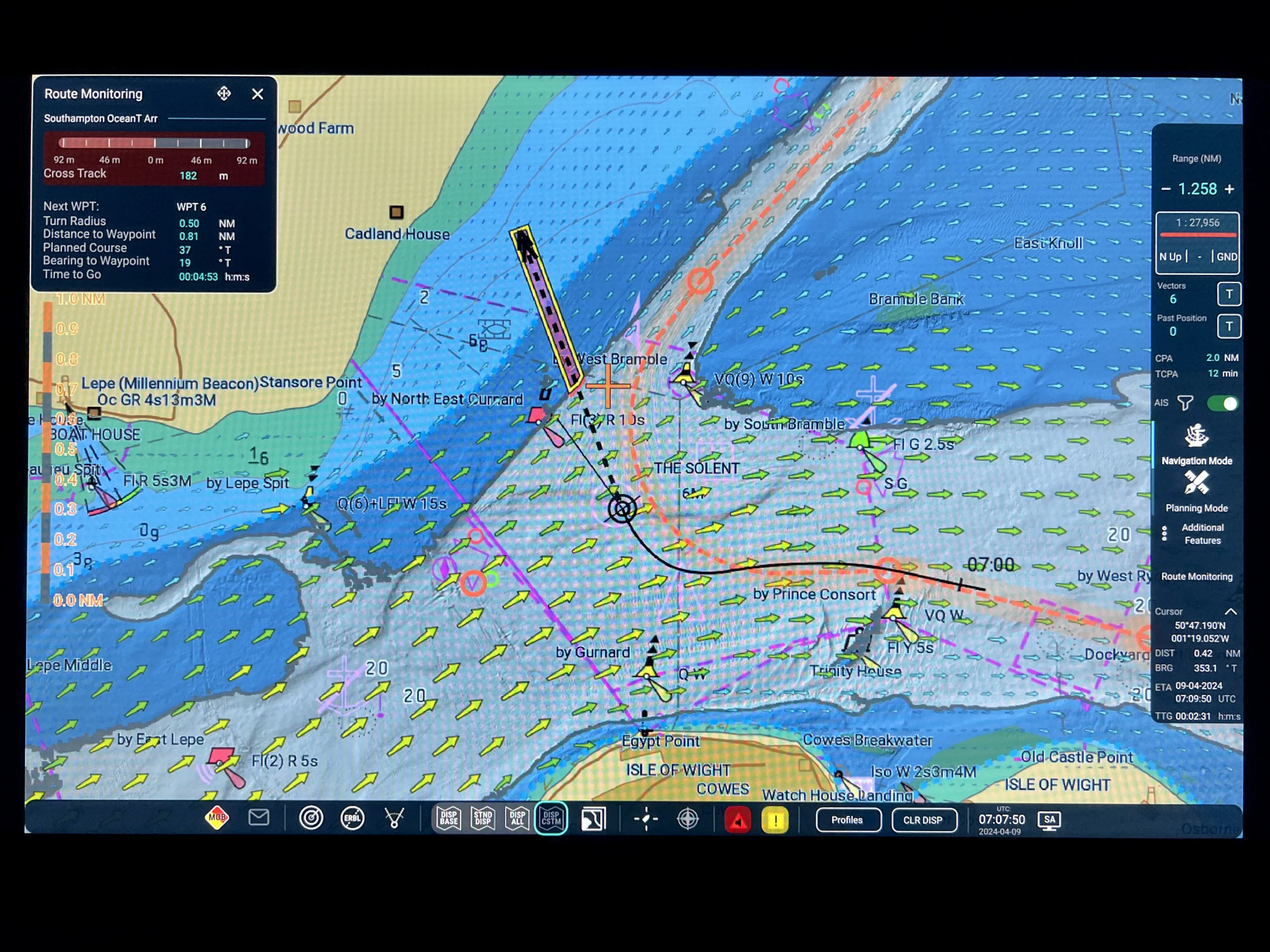
For the Port of Southampton, the UKHO produced S-100 data covering four key 'phase 1' product specifications, each providing safety-critical navigational information:
- S-101: Electronic Navigational Charts (replacing the current S-57 ENC format)
- S-102: Bathymetric surface
- S-104: Water levels
- S-111: Surface currents
Image: S-101 ENC showing S-102, S-104 and S-111 in the Solent.
Through its participation in the trials, the UKHO collected real-world evidence to support the development of its S-100 products and guidance. This included gathering direct feedback from mariners on their experience using UKHO-produced S-100 data to better understand their role in navigational planning and decision-making. Using these insights, the UKHO is ensuring its S-100 products are fully aligned with the needs of mariners and operate dependably to enable safe, compliant and efficient navigation.
Body“At the UK Hydrographic Office, we are proud to have contributed to these trials, which are an important step in moving S-100 from concept into operational understanding. By testing the data in realistic bridge scenarios, we’re able to see not just what S-100 can do, but how it is actually experienced by pilots and mariners navigating in confined waters. That shared insight, across hydrographic offices, ports, technology providers and end users, is what will help ensure S-100 is implemented in a way that is practical, usable and aligned with the needs of those on the bridge.”
Ensuring readiness through cross-industry collaboration
The trials programme was designed to enable teams from across the world to take part in structured, realistic testing that complements ongoing live sea trials. By taking place in a simulator environment, each trial enabled collaboration among end users, data producers and system developers and immediate analysis of data resolution, accuracy, coverage and interoperability.
As part of the coordinated testbed, the results from the trials will support the IHO’s ongoing development of the S-100 standards. They will also be used to inform future training considerations to help build wider industry preparedness ahead of the S-100 transition. Alongside consolidated technical reports, results from the trials will be shared at several industry forums throughout the year, including the IHO Assembly and International Harbour Masters Association (IHMA) Congress.
Body“In confined waters like Southampton, S-100 has the potential to support a clearer shared mental model between the pilot and bridge team, particularly when interpreting dynamic conditions. Layered, high-resolution data can aid decision-making in contingency scenarios, but it is essential that this is introduced in a way that supports, rather than overwhelms, the user. Simulator trials play a critical role in testing this in practice, bringing together pilots, operators, manufacturers and hydrographic offices to identify challenges early and shape how S-100 is implemented.”
Building an international S-100 evidence base
These simulator trials form part of a wider and growing programme of S-100 testing led by the UKHO and in collaboration with international partners. In December 2025, the UKHO announced a joint S-100 sea trials programme with the French Hydrographic and Oceanographic Service (Shom). As part of this effort, a cross-border trial will evaluate S-100 data sets in live navigation scenarios along a route from St. Helier, Jersey, to Saint-Malo, France — providing insight into how the data performs across complex, real-world operating conditions.
Alongside this, the UKHO is supporting additional S-100 sea trials delivered both within and beyond IHO international testbed activity. This includes collaboration under the IHO S-100 testbed, as well as trials conducted with industry partners in operational environments. Together with simulator testing, these activities are helping to build a more complete understanding of how S-100 can be used in practice, informing both product development and wider industry guidance as the transition progresses.
Further insights and updates from these activities are available via the UKHO’s S-100 sea trials hub.
Read more on this topic
Search Title
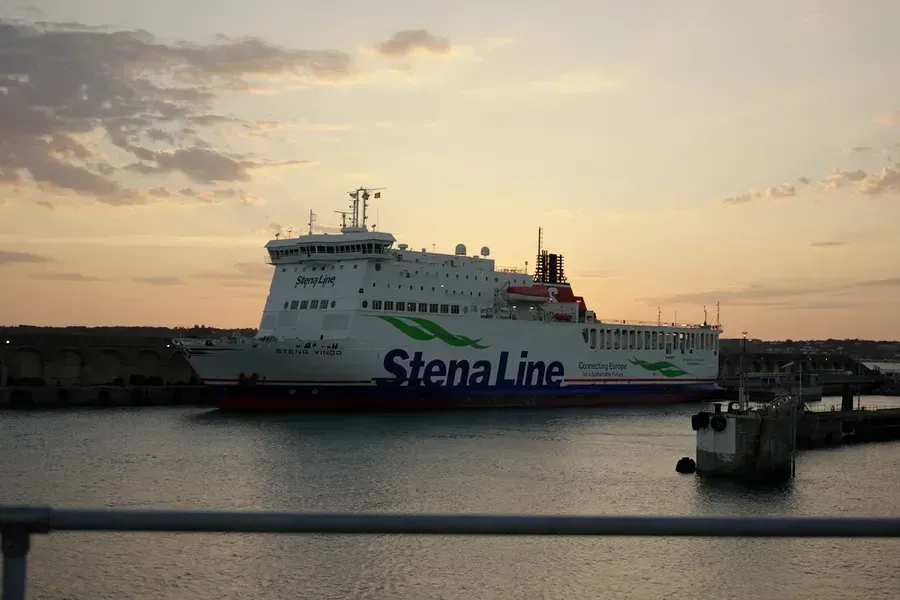
Inside the trials: testing S-100 aboard Stena Vinga
What happens when emerging S-100 data and technology move from the simulator environment onto the bridge of a working vessel? A sea trial aboard Stena Vinga put S-100 to the test on a challenging passage between Portsmouth and St Helier, Jersey, helping the UK Hydrographic Office and its partners better understand how S-100 can be developed to meet the needs of mariners.
Search Title
S-100: your questions answered
Across recent UKHO webinars and industry events, several questions have appeared repeatedly. Here, we address some of the most common and look at what mariners and operators need to know at this stage of the transition.
Search Title
S-131: building the data foundations for connected ports
Discover how S-131 could help make trusted, machine-readable port infrastructure data more accessible and usable, supporting safer navigation, more efficient port calls and increasingly digital maritime operations.