Skip to main content




A window into the future of navigation
SMM Hamburg 2026 offered a powerful view of where the maritime industry is heading next. As one of the world’s largest maritime trade fairs and conferences, the event brings together organisations from across shipping, technology, defence, regulation and maritime services every two years.
Across multiple exhibition halls, thousands of participants explored the technologies, services and ideas which are going to shape the future of maritime operations.
The event highlighted that the maritime industry is not only focused on transformation but also grounded in practical questions: how to improve safety, how to build trust in digital systems, and how to help navigators and decision-makers use richer data without adding unnecessary complexity.
Themes shaping the sector
Several themes ran through conversations across the event: security, safety, autonomy and the application of artificial intelligence. Whether discussions focused on ship operations, navigation systems, cyber resilience or future vessel design, the direction of travel was clear. The industry is increasingly looking at how technology can improve safety, support better decision-making and enable greater automation, while retaining resilience and trust.
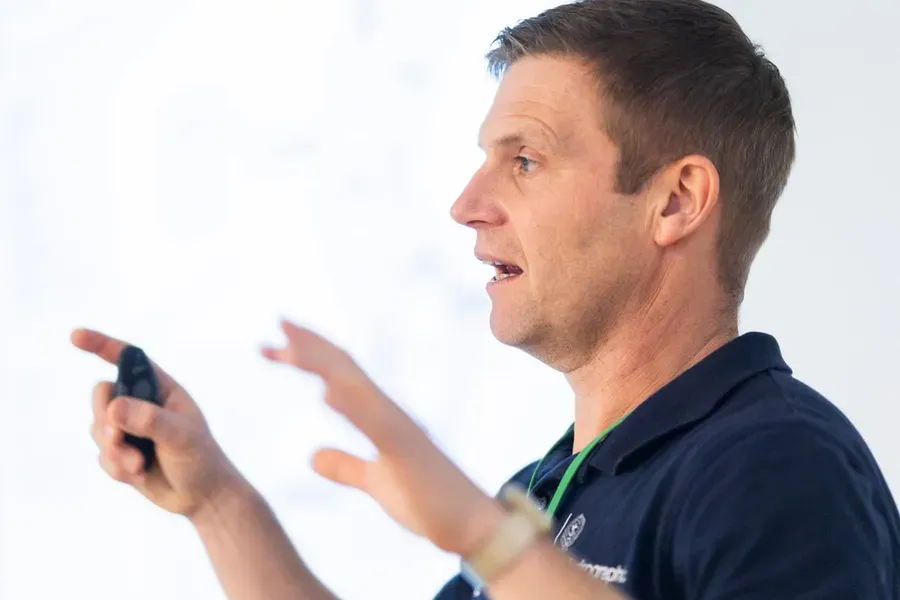
This balance between innovation and trust was also central to the presentations delivered by UKHO colleagues. Tom Mellor’s session on S-100 explored how the next generation of maritime data standards will enable more interoperable, data-rich navigation, while Michelle Tarr’s presentation on passage planning looked at how trusted information can be made easier to find, understand and apply during the voyage planning process.
What S-100 means for the future of navigation
In his S-100 presentation, Tom Mellor introduced the International Hydrographic Organisation’s framework for the next generation of interoperable maritime information. S-100 moves beyond the limitations of S-57 by creating a flexible structure for data products that can be used and displayed together, supporting a more complete picture of the maritime environment.
Together, these new data layers can improve situational awareness, clearance calculations, route efficiency and safety by helping navigators view trusted information in a more connected way.
Audience questions asked following the presentation, showed that the industry is not asking whether S-100 matters, but how to move from standards into safe, affordable and practical operations. The other areas of interest raised by the audience were transition planning, readiness of existing ECDIS equipment, interoperability with S-57, data architecture, coverage, water-level services, training and access.
Introduction to S-100
UKHO have prepared a resource hub where information and exclusive content on S-100 can be viewed, along with a monthly S-100 newsletter which will keep you up to date with the latest developments
Rethinking passage planning
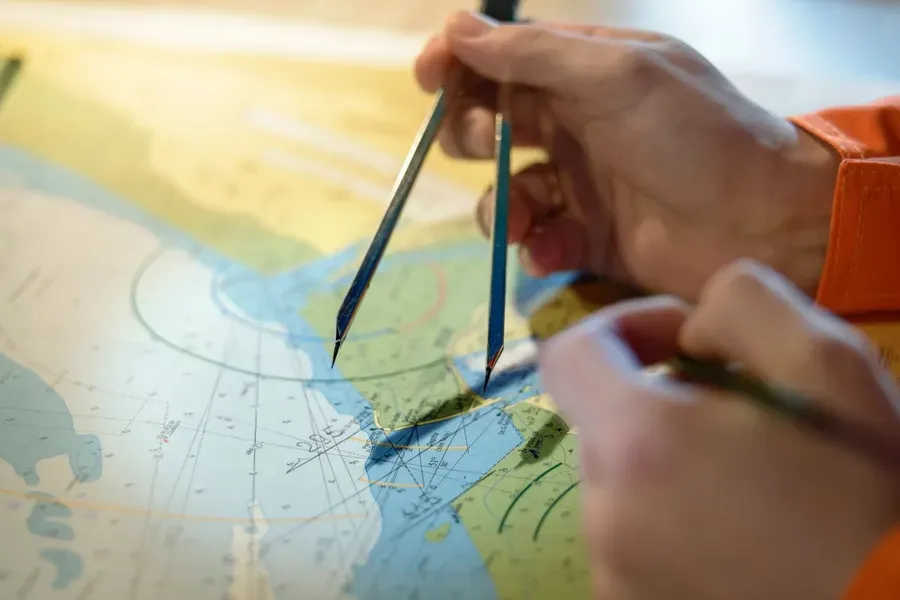
Michelle Tarr’s presentation explored another important part of maritime transformation: passage planning. Passage planning has always required navigators to bring together information from multiple sources, from ENCs and nautical publications to Notices to Mariners, navigational warnings, weather, routing information, port requirements, regulation and company procedures. Increasingly, navigators must also consider factors such as fuel efficiency and environmental reporting.
As connectivity improves, the challenge is shifting from accessing information to identifying what matters and understanding its relevance to a safe voyage. More information does not automatically mean better understanding. Information needs to be trusted, relevant and presented in a way that supports the navigator’s task, rather than adding unnecessary friction or cognitive load.
Michelle’s presentation made clear that technology should support, not replace, professional judgement. Navigators must still appraise the available information, understand the vessel and intended voyage, identify hazards and constraints, and determine an appropriate plan. But digital tools can make the steps around those decisions easier, helping navigators find trusted information quickly and see its geographic relevance more clearly.
Overall, SMM Hamburg 2026 underlined a maritime sector that is moving confidently towards a more connected, data-rich and digitally enabled future, but one that must remain firmly rooted in safety, security and trust. From S-100 and interoperable data standards to smarter passage planning, artificial intelligence and greater automation, the opportunity lies in using technology to simplify complexity, strengthen decision-making and support navigators with information that is accurate, accessible and relevant. The future of navigation will depend not only on innovation, but on ensuring that new capabilities are practical, resilient and trusted by those who rely on them at sea.
Discover our S-100 data sets
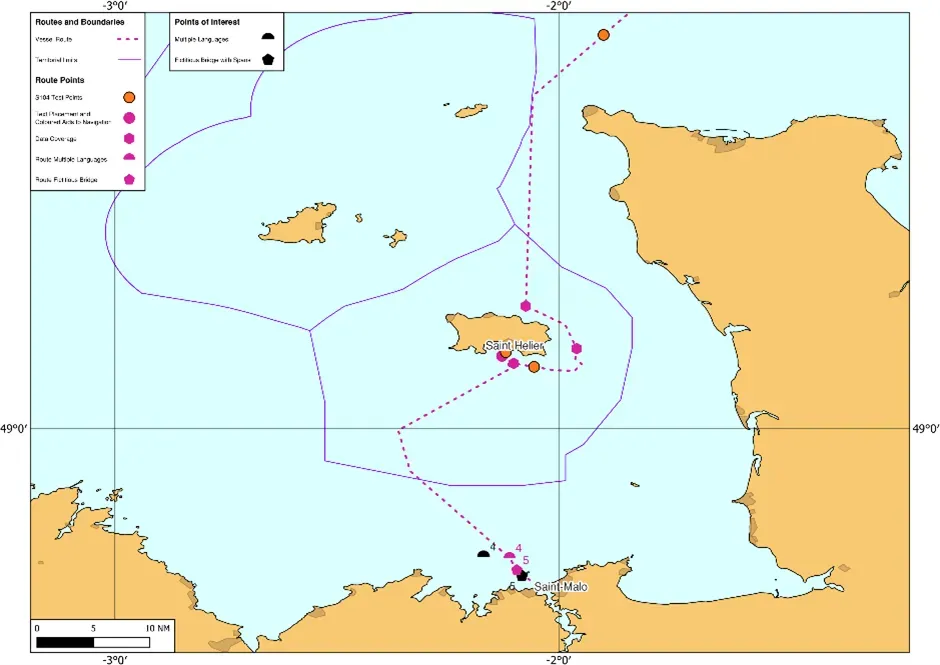
To support the international testbed project the UKHO and Shom have created S-100 data sets from Southampton and Portsmouth across the Channel to Jersey and down to the Port of St.Malo.
Please note: This data is still under development and is for testing purposes only. It must not be used for navigation.
By downloading the ADMIRALTY S-100 trial data sets, you agree to be bound by the data exploration licence terms and conditions. The S-100 trial data sets contributed by the Shom are subject to the terms of the "SHOM Products Evaluation and Exploration License".