 Skip to main content



For S-100 to deliver its potential benefits, the data and systems that support it will need to prove they can work reliably and consistently together on the bridge.
That means taking testing beyond the office and the simulator and out onto working vessels.
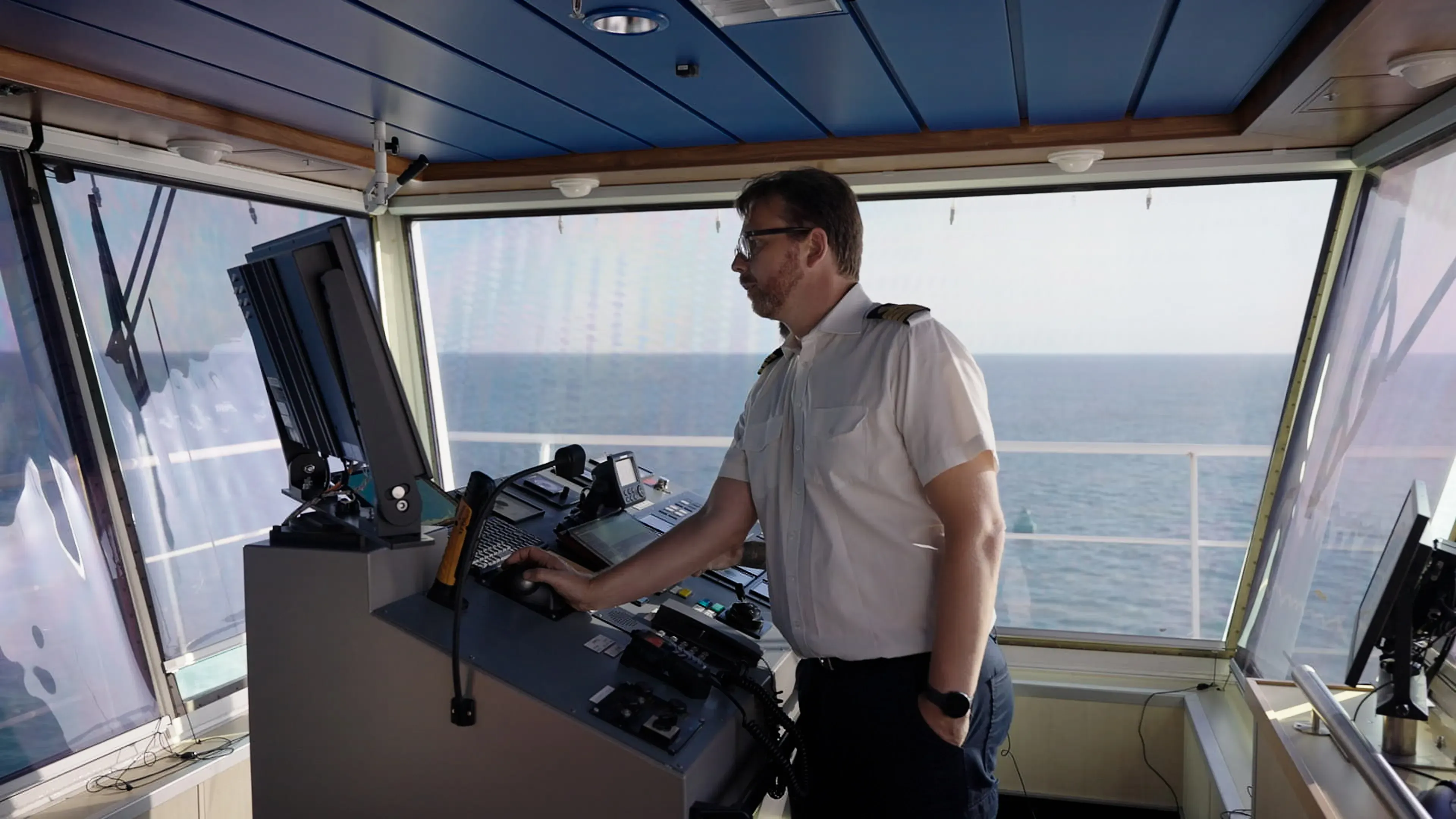
S-100 at sea
In August 2026, the UK Hydrographic Office (UKHO) brought together mariners and technology partners aboard the RoRo ferry Stena Vinga for the fourth in a series of live S-100 sea trials between Portsmouth and St Helier, Jersey. The trial was conducted with DFDS and the vessel's Stena Line crew, using Teledyne Raymarine Commercial’s prototype S-100 ECDIS to test emerging S-100 data and navigation systems in an operational environment.
The trial brought together hydrographic expertise, technology development and, crucially, the experience of the mariners using the information at sea. Water-level and surface-current modelling supplied by TideTech also contributed to the testing.
The objective was not simply to demonstrate new technology. It was to learn how S-100 information behaves in practice, how different data layers work together and how they can support the decisions mariners make on the bridge.
What happens when S-100 data and technology move from the test environment onto the bridge of a working vessel?
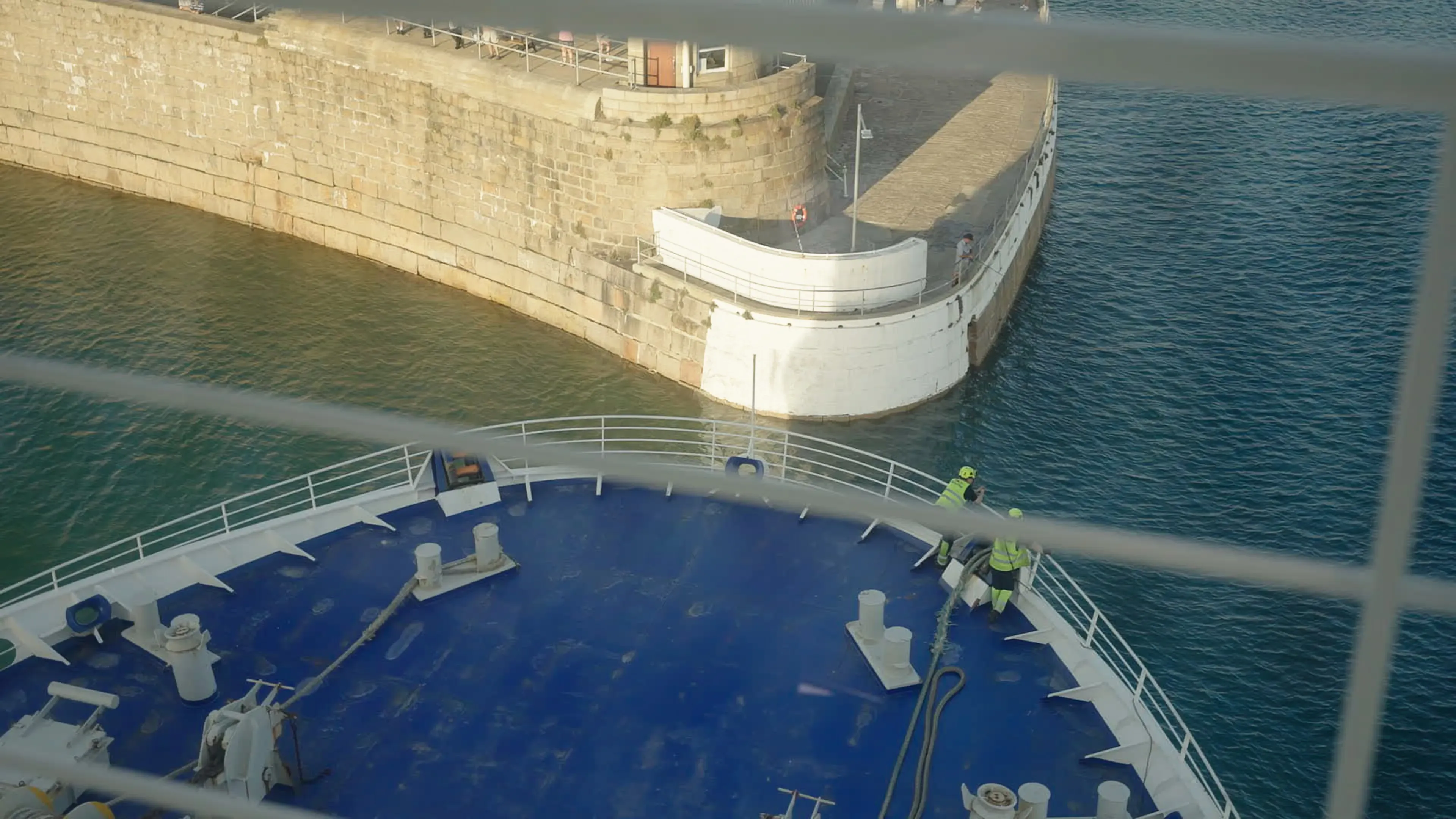
S-100 sea trials in a challenging navigational environment
The passage into St Helier provides a particularly useful environment for testing some of the capabilities S-100 introduces.
Captain Johan Karlsson, Master of the Stena Vinga, described St Helier as one of the most difficult ports he has navigated. The approach combines strong currents and changing depths with a tidal range of up to 11 metres and a confined harbour. Johan describes the challenge from a mariner’s perspective: “It’s a very small, confined space…the vessel almost doesn't fit inside”.
That makes understanding what the water is doing especially important.
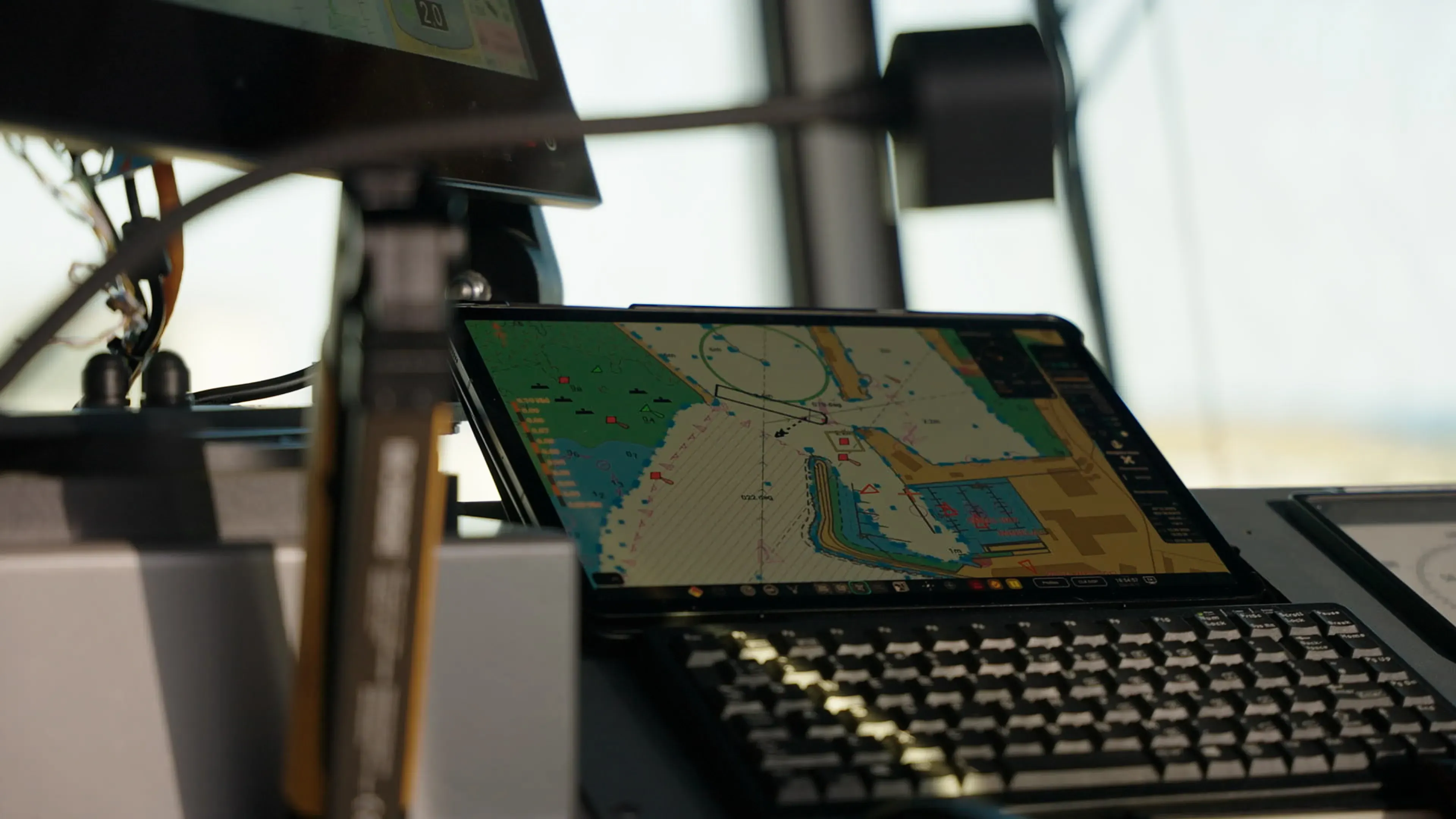
During the trial, the bridge team was able to explore how different S-100 datasets could contribute to that picture or their ‘mental model,’ including S-101 Electronic Navigational Charts (ENCs), S-102 Bathymetric Surfaces, S-104 Water Level Information and S-111 Surface Currents. These were among the products supported by the S-100 ECDIS used during the trial.
For Johan, one of the potential benefits is being able to see information that previously required greater interpretation and calculation.
Body“It has helped me to get a clearer picture of what I have to work with. The calculations you had to do by yourself in the head before, you get visually before you.”
Johan observed that current and water-level information can be particularly useful when approaching confined ports like St Helier, or when navigating somewhere less familiar. His feedback points towards one of the broader lessons emerging from S-100 testing: the value of individual data products depends on the navigational situation in which they are used.
How S-100 can support better situational awareness
Providing more information does not automatically make navigation easier. The opportunity lies in bringing relevant information together in ways that help the mariner understand a developing situation without creating unnecessary complexity.
One example explored during the trial was how more detailed depth and water-level information could affect the navigational picture presented on the bridge.
Tom Mellor, Head of Technical Partnerships at the UKHO, explained that with traditional S-57 ENCs, the available depth contours can mean areas of water appear to fall outside a vessel's selected safety contour, even where the bridge team's tidal calculations indicate there is sufficient water to navigate. Combining the higher-resolution bathymetry available through S-102 with water-level information has the potential to provide a more representative picture of the navigable water available to the vessel at a particular time.
For Johan, the wider opportunity is not simply having more information available, but using it to understand how the situation is developing. He described the potential for greater confidence, situational awareness and better “near-future planning”, by looking two or three minutes ahead as the vessel approaches the port.
This is also where the relationship between S-100 data and ECDIS design becomes important.
Andy Murray, Director of Navigation Solutions at Teledyne Raymarine Commercial, explained that much of the underlying information mariners need is already available today. The crucial difference is how much work may be required to bring it together.
Body“Everything was possible before. It just required a lot more manual intervention.”
S-100 creates the potential for more of that information to be integrated into the navigational environment. But, as Andy emphasised during the trial, simply layering more information onto a display is not enough. Mariners need to be able to access what is relevant when they need it, without having to navigate through unnecessary complexity.
Johan described the potential result in similarly practical terms: information that can help a mariner “visualise the situation before it occurs”, rather than simply reacting as conditions develop.
Building mariner trust in S-100
That potential depends on something more fundamental: trust.
One of the strongest lessons from the trial was that reducing workload is not simply a question of digitising more information. Mariners need confidence in the data being presented. Andy explained what S-100 seeks to avoid:
Body“If I'm putting something in my ECDIS and then I have to compare it with the paper book still, I haven't really reduced the workload… in fact, you could argue I've increased the workload because they now have another source to compare to.”
This is what makes operational testing so important. Testing aboard Stena Vinga identified areas requiring further investigation and refinement across both the data and its presentation. These included the coverage of high-resolution bathymetry, the portrayal of different information on the ECDIS and the accuracy and granularity of tidal and current information.
Finding those issues in testing is part of the purpose of a trial.
Tom explained that operating at sea has revealed characteristics in the data that were not apparent when it was being examined in an office environment. Those findings give data producers and technology manufacturers evidence they can use to improve the overall user experience.
The trial also reinforced the importance of having data at an appropriate level of detail for the environment in which it will be used. At St Helier, for example, the technical assessment identified a need to explore more granular tidal information extending further into the port to demonstrate the full potential of S-100 water-level information.
It is an important distinction. The benefits of S-100 depend not only on what the standards make possible, but on the quality, coverage, consistency and suitability of the data that ultimately supports them.
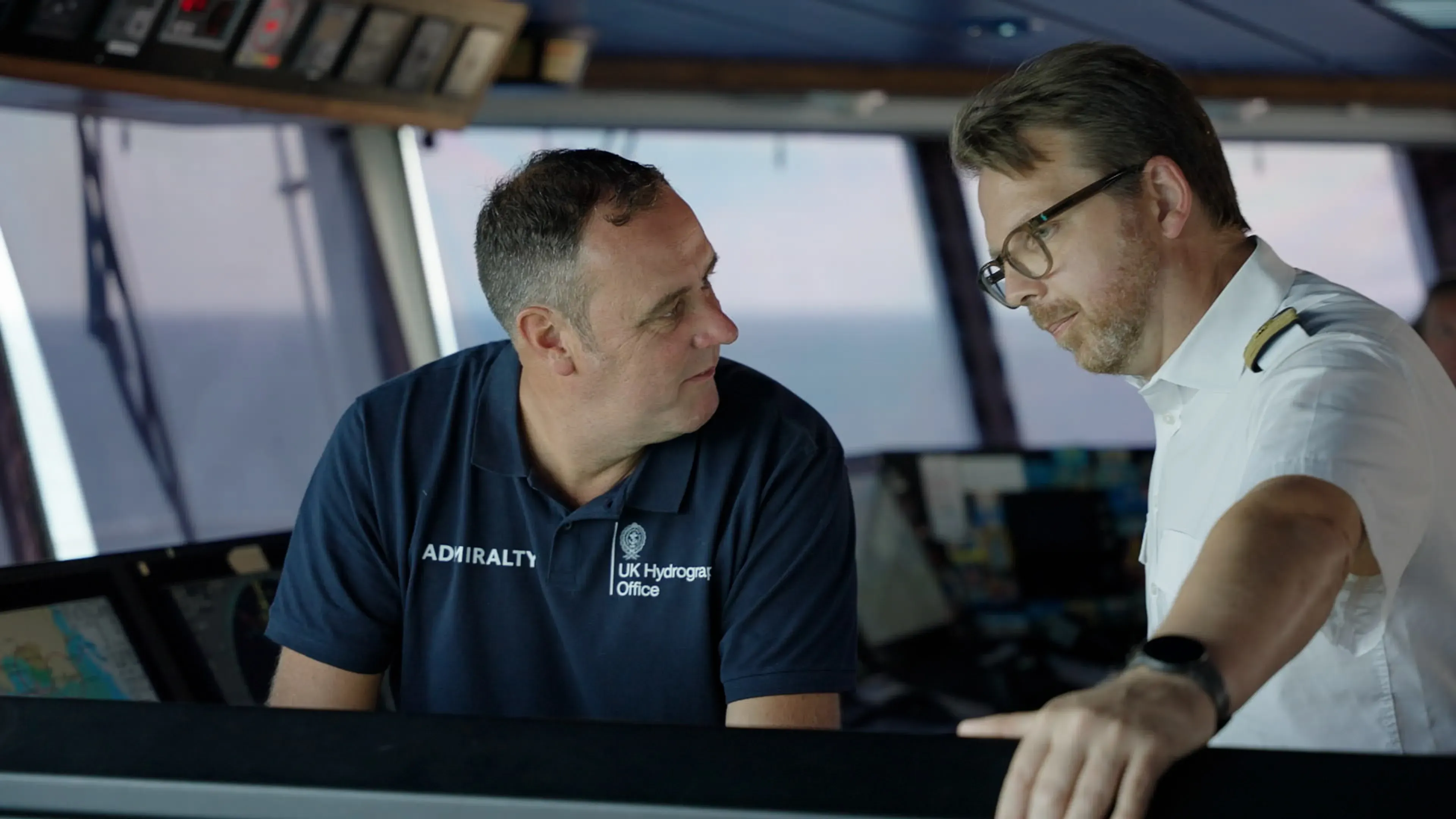
Mariner feedback and S-100 development
The trial was therefore as much about listening as testing.
Rather than asking the bridge team simply whether they liked what they saw, the UKHO and its partners were able to explore different approaches with them and understand why particular information or presentations were useful.
One example involved showing the crew different models for tidal information and asking for their assessment. Tom described the interaction as particularly valuable because it allowed the team to draw on the Master's operational expertise when considering which approaches could be most useful in future.
That feedback has a wider destination too.
Body“For me, the best feedback that we can get is directly from the end users.”
Tom explained that lessons from trials such as this will inform the UKHO’s S-100 product development while also being taken back into the International Hydrographic Organization to support the continuing development of S-100.
Teledyne Raymarine Commercial described the same iterative process from the system manufacturer's perspective. Andy framed S-100 development as a “continual evolution”, in which direct access to mariners, data producers and hydrographic organisations helps identify not only what works, but what needs refinement.
The next steps for S-100 sea trials
This was the fourth live trial of UKHO S-100 data using the Teledyne Raymarine Commercial system aboard Stena Vinga. Each iteration has provided another opportunity to test data and functionality in an operational environment and feed what is learned into subsequent development.
The latest trial has also highlighted where further work can go next. Actions identified include engaging with ports to understand the data available for future S-100 products, exploring access to more detailed tidal information and improving the completeness and presentation of datasets used in testing.
For Andy, that continued process is fundamental to building confidence:
Body“It's going to take time to build that confidence. Today is not a one and done.”
That may be one of the most important lessons from Stena Vinga.
Preparing for S-100 is not about proving everything in a single demonstration. It is about putting emerging data and technology into increasingly realistic situations, finding out what works and what does not and involving the people who will ultimately depend on it.
By testing, learning and refining together, hydrographic offices, technology providers and mariners can help turn the possibilities offered by S-100 into information that works where it matters most: on the bridge.
Explore S-100 sea trials
Discover how the UKHO and its partners are testing S-100 data and technology with mariners in live operational and simulated navigational environments.
Read more on this topic
Search Title
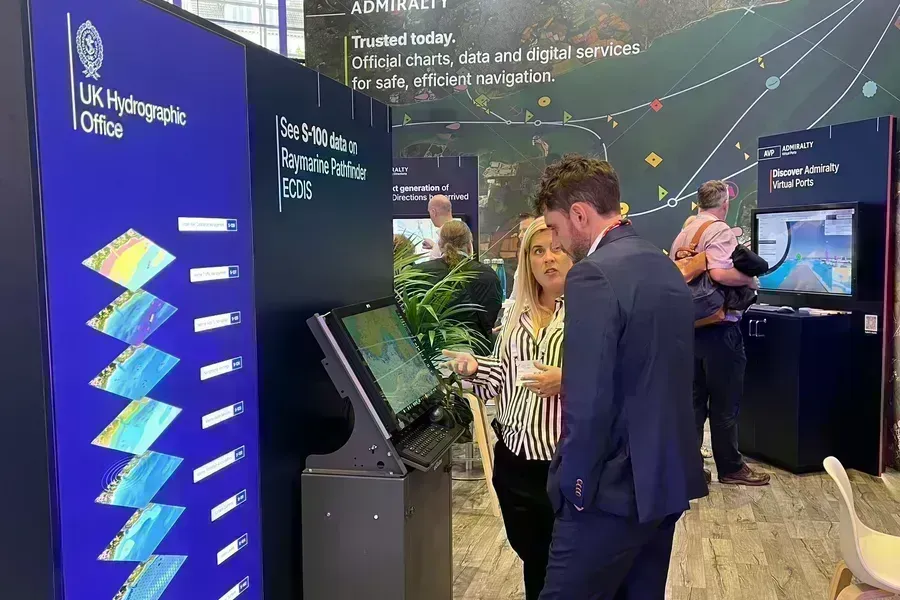
S-100: your questions answered
Across recent UKHO webinars and industry events, several questions have appeared repeatedly. Here, we address some of the most common and look at what mariners and operators need to know at this stage of the transition.
Search Title
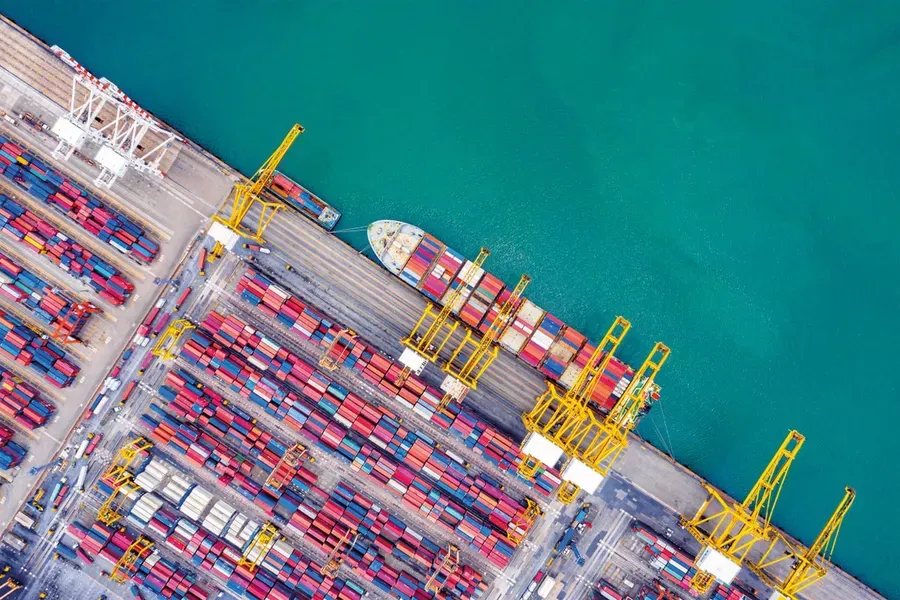
S-131: building the data foundations for connected ports
Discover how S-131 could help make trusted, machine-readable port infrastructure data more accessible and usable, supporting safer navigation, more efficient port calls and increasingly digital maritime operations.
Search Title
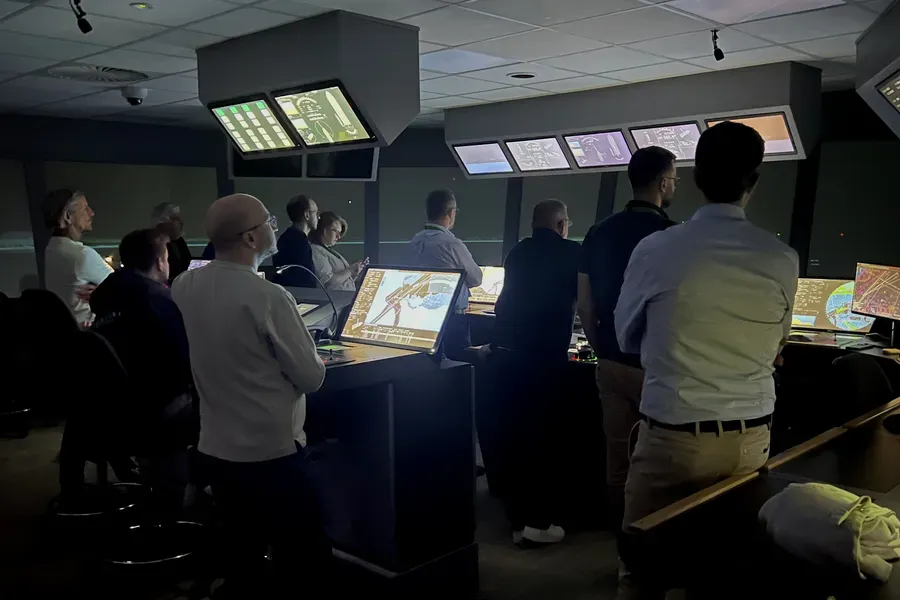
Four ports, one emerging global view of S-100
Could having more maritime data actually reduce the amount of interpretation required on the bridge? In this multimedia feature article, pilots, mariners and hydrographic offices reflect on evaluating trial S-100 data sets across four challenging port environments, revealing a consistent view of how richer maritime data could support more efficient navigational decision-making.