 Skip to main content



Discover how S-131 could help make trusted, machine-readable port infrastructure data more accessible and usable, supporting safer navigation, more efficient port calls and increasingly digital maritime operations.
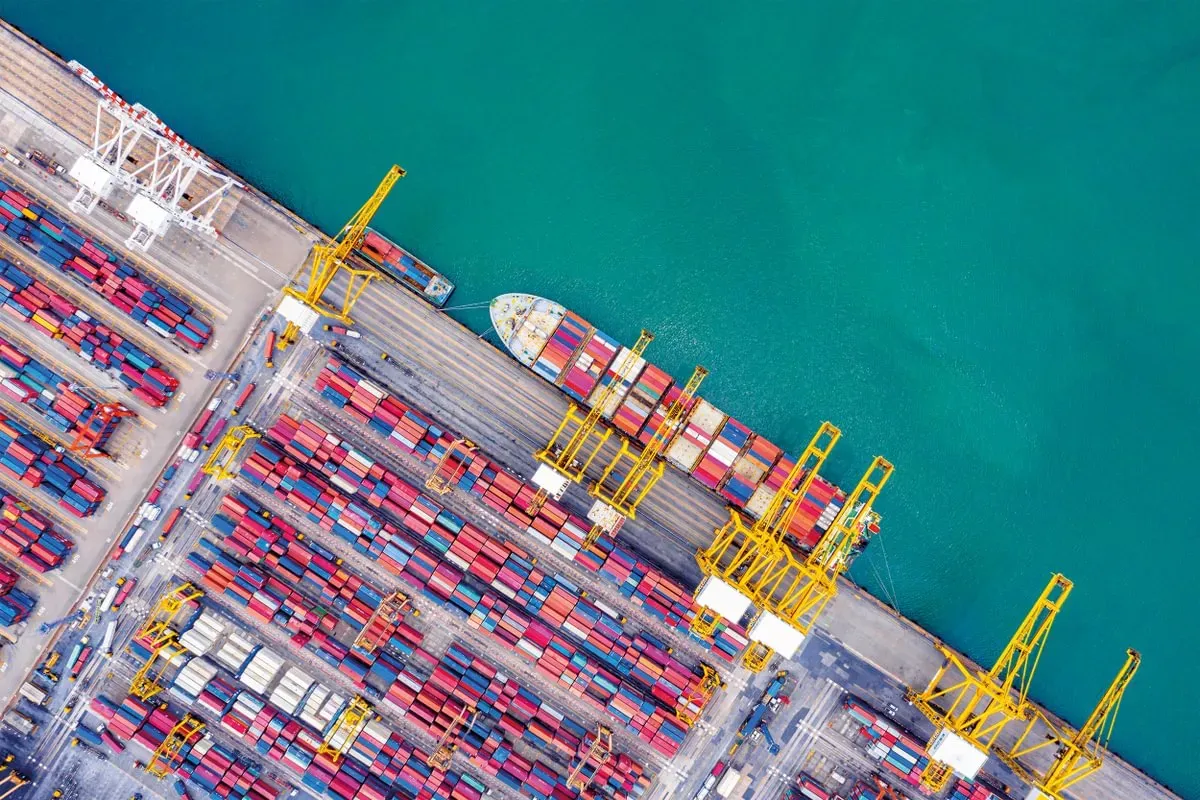
Ports are complex information environments. A vessel arriving in port may need information about its berth, pilotage, tug and mooring services, bunkering, shore power and other facilities. Yet that information can come from multiple sources and in different formats, requiring bridge and shore-based teams to find and interpret it as part of planning a port call.
What if more of that information could be provided in a consistent form that both people and digital systems could understand?
That is part of the opportunity presented by S-131 Marine Harbour Infrastructure, one of the growing family of product specifications built on the IHO's S-100 data framework. S-131 provides a standardised way to describe port infrastructure and services, from terminals, berths, fairways and turning basins to bunkering, waste reception and repair facilities.
Its immediate applications include supporting berth-to-berth navigation and voyage planning. But its significance could be broader. By establishing a common way to describe port infrastructure and services, S-131 has the potential to make authoritative port data more accessible and usable across the maritime ecosystem – supporting more coordinated port calls today while laying foundations for increasingly connected maritime operations in future.
Giving port information a common structure
Ports already hold large amounts of information about their infrastructure and services. The challenge is not necessarily whether that information exists, but how easily it can be discovered, exchanged and used.
S-131 provides a common structure for information relating to berths, pilotage, towage, bunkering, mooring and other port facilities.
This isn't simply about taking information that previously appeared on paper or a website and displaying the same information on a screen. Like other S-100 product specifications, S-131 uses structured, machine-readable data. This allows information to be consistently described and reliably exchanged between compatible systems, rather than depending solely on a person to find, read and interpret it.
For visiting vessels, that could make information about an unfamiliar port easier to incorporate into voyage and port-call planning. For shore-based teams, the same data could support a more consistent understanding of the destination. And for ports, it creates an opportunity for authoritative information about their infrastructure and services to become part of a more connected digital information environment.
More data doesn't have to mean more clutter
The potential becomes clearer when S-131 is considered alongside other S-100 products.
Imagine a vessel preparing to enter a busy port. Depending on the products and services available, its bridge and shore-based teams could draw on information about:
- berth location and characteristics
- detailed depths and under-keel clearance
- water levels and surface currents
- pilot boarding locations
- tug and mooring services
- navigational warnings
- shore power and other port services
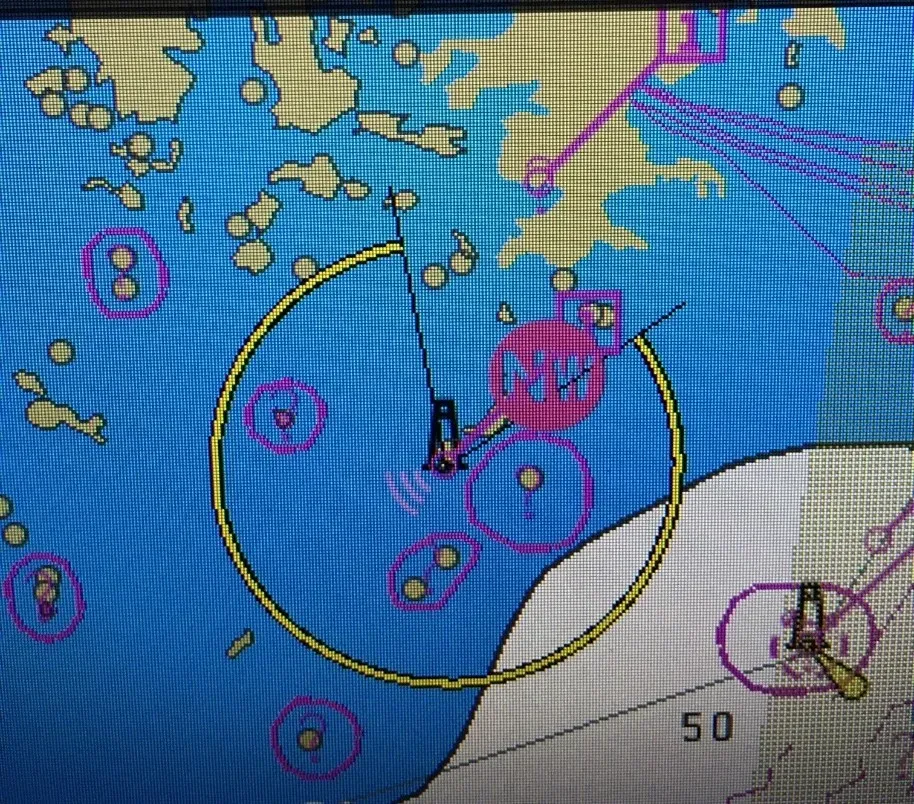
Today, bringing that picture together can mean consulting several different sources. S-100 creates the potential for compatible systems to draw upon interoperable datasets within a common framework.
For experienced mariners, however, more digital information can prompt an understandable concern: does more data simply mean more information on screen and less reliance on traditional skills?
It shouldn't.
BodyThink of a modern car. It can process information about tyre pressure, remaining range, traffic conditions, speed limits and numerous other factors, but the driver doesn't need to see everything at once. And while that information can support safer, better-informed decisions, it is still the driver's skill, experience and judgement that determine how the vehicle is driven.
The same principle is important to S-100. Its value isn't in putting every available data point in front of the mariner, but in making trusted information available for compatible systems to combine and use.
Technology does not replace the judgement and experience of the mariner. The opportunity is to reduce the time spent finding and reconciling information from different sources, providing a clearer evidence base on which to apply those skills.
Connecting the port call from ship to shore
A port call depends on coordination between multiple participants. The vessel, port authority, terminal, pilots, tug operators and shore-based fleet teams may all need information to plan their activities around one another.
The maritime industry is already exploring how digital information exchange can improve that coordination. Port Collaborative Decision Making (PortCDM), for example, uses standardised information sharing to create greater situational awareness around port calls. The related S-211 Port Call Message standard supports structured communication between ships, ports and different port actors.
S-131 addresses a different part of the picture. Rather than communicating what is happening during the port call, it describes the infrastructure and services around which those activities take place.
One source might therefore help a system understand the characteristics and services of the berth a vessel is approaching, while another communicates when the vessel, pilot, tug or berth is expected to be ready.
Consider a vessel approaching ahead of schedule while its allocated berth is still occupied. Better connected information could help ship and shore-based teams make decisions earlier: adjusting speed rather than waiting at anchor, coordinating pilotage and tug requirements, or aligning arrival more closely with berth readiness.
This is part of the principle behind Just-in-Time arrival. More consistent information exchange could support better coordinated port calls, potentially reducing unnecessary waiting, fuel consumption and emissions while making more efficient use of port infrastructure.
From information people can read to data systems can use
Traditional maritime information products are primarily designed for people. A person reads a publication, looks at a chart or searches a website and uses their knowledge and experience to interpret what it tells them.
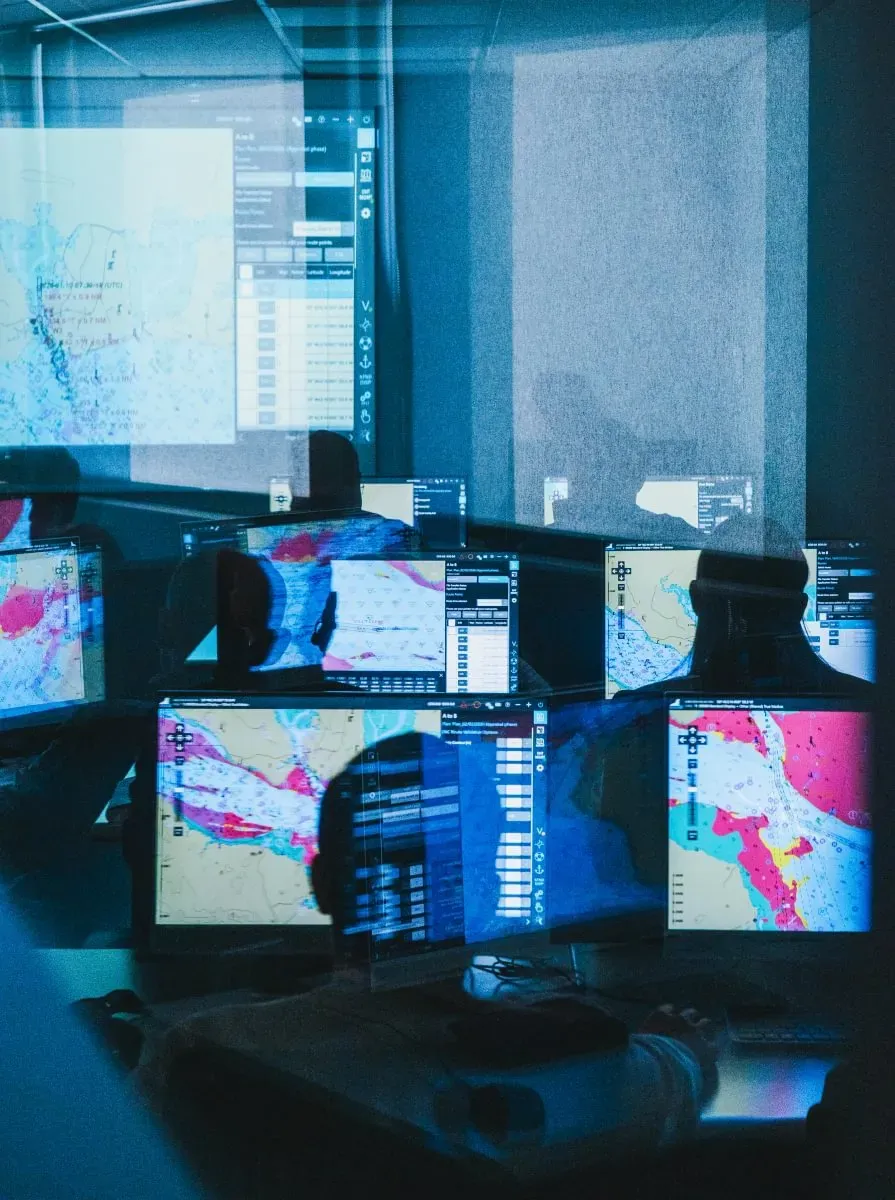
That remains essential. But increasingly, software also needs to be able to use that information. For example, a compatible navigation or shore-based system could identify directly from structured port data that a destination berth offers shore power or bunkering services, rather than requiring someone to find that information separately in a port guide or website.
This is where the machine-readable nature of S-100 becomes particularly significant.
Digital voyage-planning and shore-based tools could combine port information with other S-100 datasets describing depths, water levels or surface currents to support operational decision-making.
Further ahead, greater automation will also depend on structured, trusted information. An experienced mariner can read a port guide, contact a harbour master and use that information to inform their decisions. An automated system needs relevant information – such as the characteristics of a berth or the services available there – to be provided in a consistent, machine-readable form before it can use it to support planning or decision-making.
S-131 will not, on its own, create autonomous ships or automated ports. But providing a standardised digital description of port infrastructure is part of the foundation that increasingly automated systems will need.
What could this enable in future?
As ports, vessels and shore-based operations become more connected, standardised port information could contribute to capabilities including:
- digital representations and digital twins of ports
- more automated berth and port-call planning
- integration with Port Community Systems
- Just-in-Time arrival optimisation
- increasingly sophisticated decision-support tools
- greater automation of ship-to-shore information exchange
- support for autonomous and remotely operated vessels
These applications will not depend on S-131 alone. They will require other data, standards and technologies. But they share a fundamental requirement: systems need reliable information about their operating environment in a form they can understand.
This direction is reflected in the work of the IHO. S-131 is specifically intended to facilitate berth-to-berth navigation and voyage planning, while the IHO's S-131 Marine Harbour Infrastructure Database project is exploring how standardised harbour information can improve information exchange between harbours, hydrographic offices and port users.
The capabilities may evolve, but the underlying requirement remains: trusted port information needs to be available in a form that emerging systems can use.
Making ports part of the S-100 ecosystem
S-131 is still evolving alongside the wider S-100 ecosystem. But its potential illustrates why the transition to S-100 is about much more than replacing one generation of electronic chart with another.
For ports, preparing for that future starts with understanding their data. What information is held about infrastructure and services? Who owns it? How is it maintained? How quickly are changes reflected? And how could authoritative port information contribute to a standardised data environment that allows others to use it with confidence?
The port of the future will not simply be a destination represented on a navigational chart. It will increasingly be an active participant in a connected maritime information environment.
S-131 offers an important step towards that future: helping make authoritative port information more accessible usable by ships, shore-based teams and digital systems – supporting better-informed decisions, more coordinated port calls and the foundations for increasingly connected and automated operations.
Shaping the future of navigation
S-100 is a new data framework that will underpin the next generation of navigation technologies. Find out how S-100 will impact your operations and how the UKHO is testing, trialling and supporting the industry through this transition.

Name
Paul Marks
As Head of UK Data Partnerships, Paul is responsible for developing and maintaining partnerships with UK data suppliers including ports and harbours. On behalf of the UK Hydrographic Office, Paul works to facilitate and improve data exchange for the benefit of both parties.
Read more on this topic
Search Title
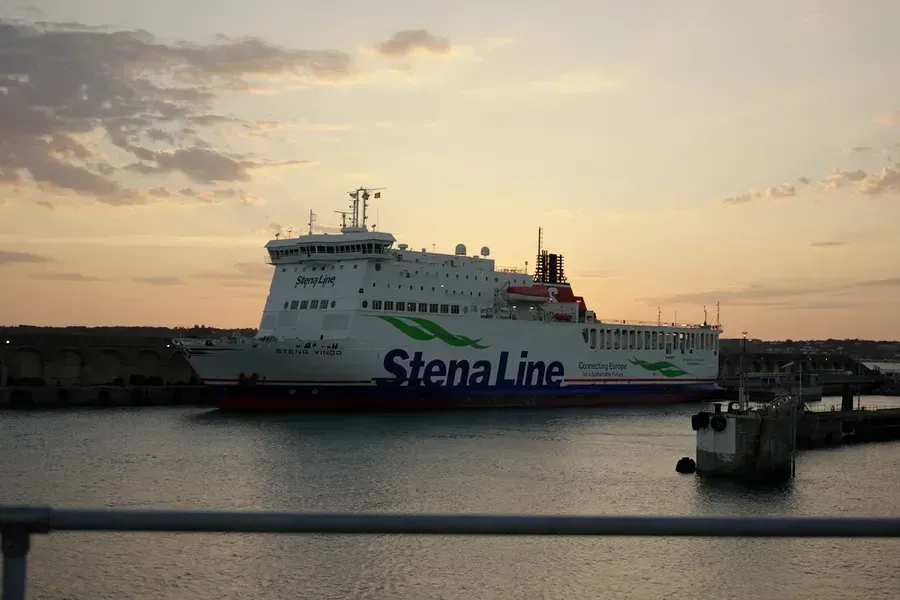
Inside the trials: testing S-100 aboard Stena Vinga
What happens when emerging S-100 data and technology move from the simulator environment onto the bridge of a working vessel? A sea trial aboard Stena Vinga put S-100 to the test on a challenging passage between Portsmouth and St Helier, Jersey, helping the UK Hydrographic Office and its partners better understand how S-100 can be developed to meet the needs of mariners.
Search Title
S-100: your questions answered
Across recent UKHO webinars and industry events, several questions have appeared repeatedly. Here, we address some of the most common and look at what mariners and operators need to know at this stage of the transition.
Search Title
Four ports, one emerging global view of S-100
Could having more maritime data actually reduce the amount of interpretation required on the bridge? In this multimedia feature article, pilots, mariners and hydrographic offices reflect on evaluating trial S-100 data sets across four challenging port environments, revealing a consistent view of how richer maritime data could support more efficient navigational decision-making.