 Skip to main content



As the first operational use of S-100 moves closer, the questions we hear from mariners and the wider maritime industry are changing.
Increasingly, people are not simply asking what S-100 is or what new products it will introduce. They want to understand what the transition will mean in practice: for the equipment on board, the information available to bridge teams, the training mariners will need and, ultimately, the decisions they make at sea.
What you want to know about S-100
Across recent UKHO webinars and industry events, several questions have appeared repeatedly. Here, we address some of the most common and look at what mariners and operators need to know at this stage of the transition.
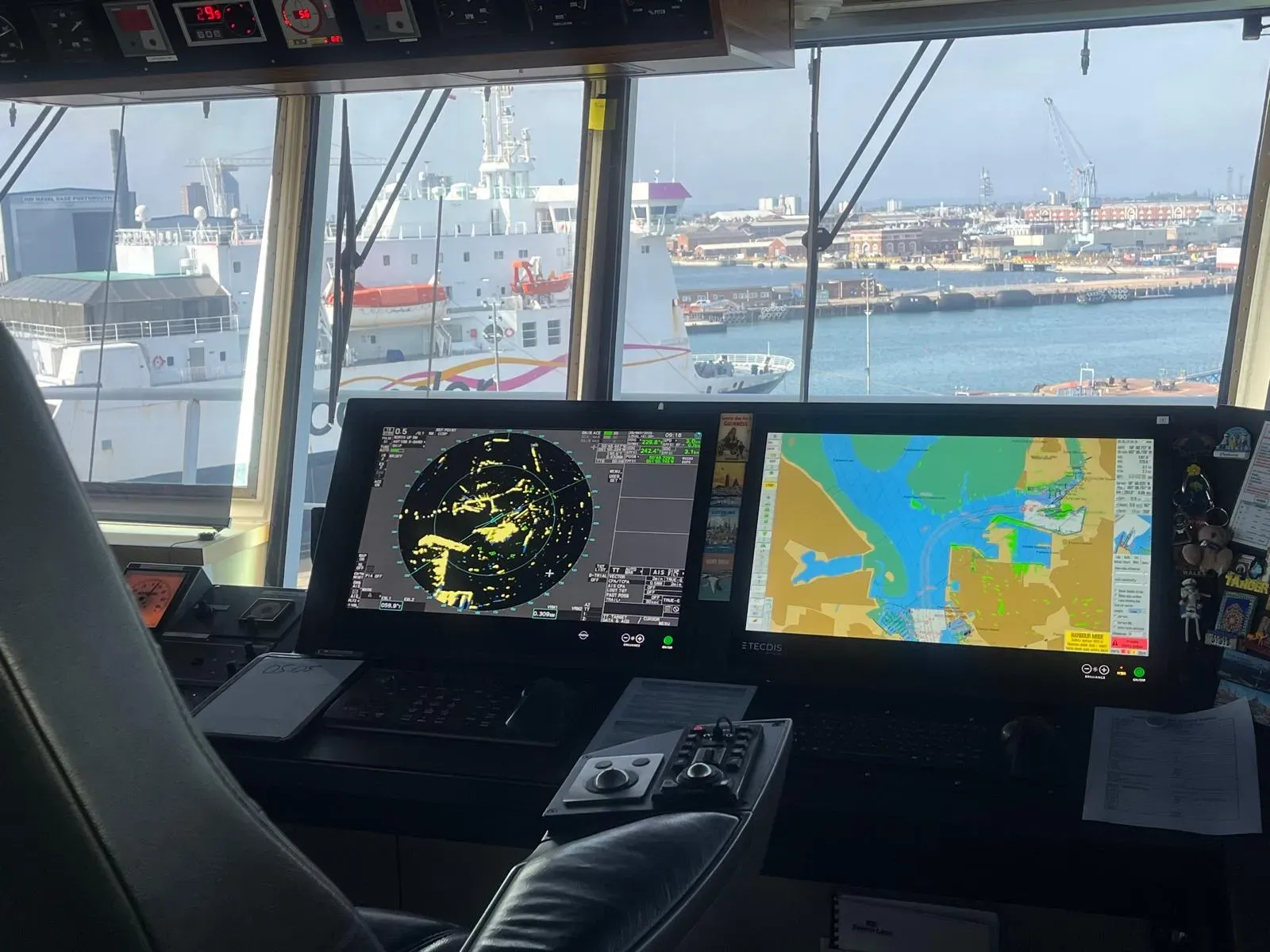
Q. How will the transition from S-57 to S-100 actually work?
A. The move to S-100 will not happen overnight.
From 1 January 2026, it has been permissible for new S-100 ECDIS to enter service alongside existing S-57-based systems. However, type-approved ECDIS are not expected to be released by original equipment manufacturers (OEMs) until 2028.
From 1 January 2029, all new ECDIS installations will need to conform to the International Maritime Organization (IMO) S-100 ECDIS Performance Standards. You can find out more about these milestones and what they mean for the transition in our S-100 timelines blog.
Importantly, 2029 is not a deadline by which every existing ECDIS must be replaced. Instead, there will be a significant period in which S-57 and S-100-based navigation coexist, allowing news systems, products and coverage to be introduced progressively.
What will also change over time is the availability of S-100 data. S-101 Electronic Navigational Charts (ENCs) form the foundation, alongside additional products providing information such as high-resolution bathymetry, water levels and surface currents. Coverage will grow as hydrographic offices develop their production capabilities and bring these products into service.
This means the transition will not happen everywhere, or for every vessel, at the same time. Mariners may encounter different levels of S-100 coverage as adoption progresses, while shipowners and operators will make decisions about S-100-capable ECDIS according to factors including their existing equipment and fleet renewal plans.
For individual operators, the point at which S-100 becomes part of everyday navigation will therefore vary. But the key point is that the transition has been designed as a progressive change, rather than a single moment when S-57 is switched off and S-100 takes its place.
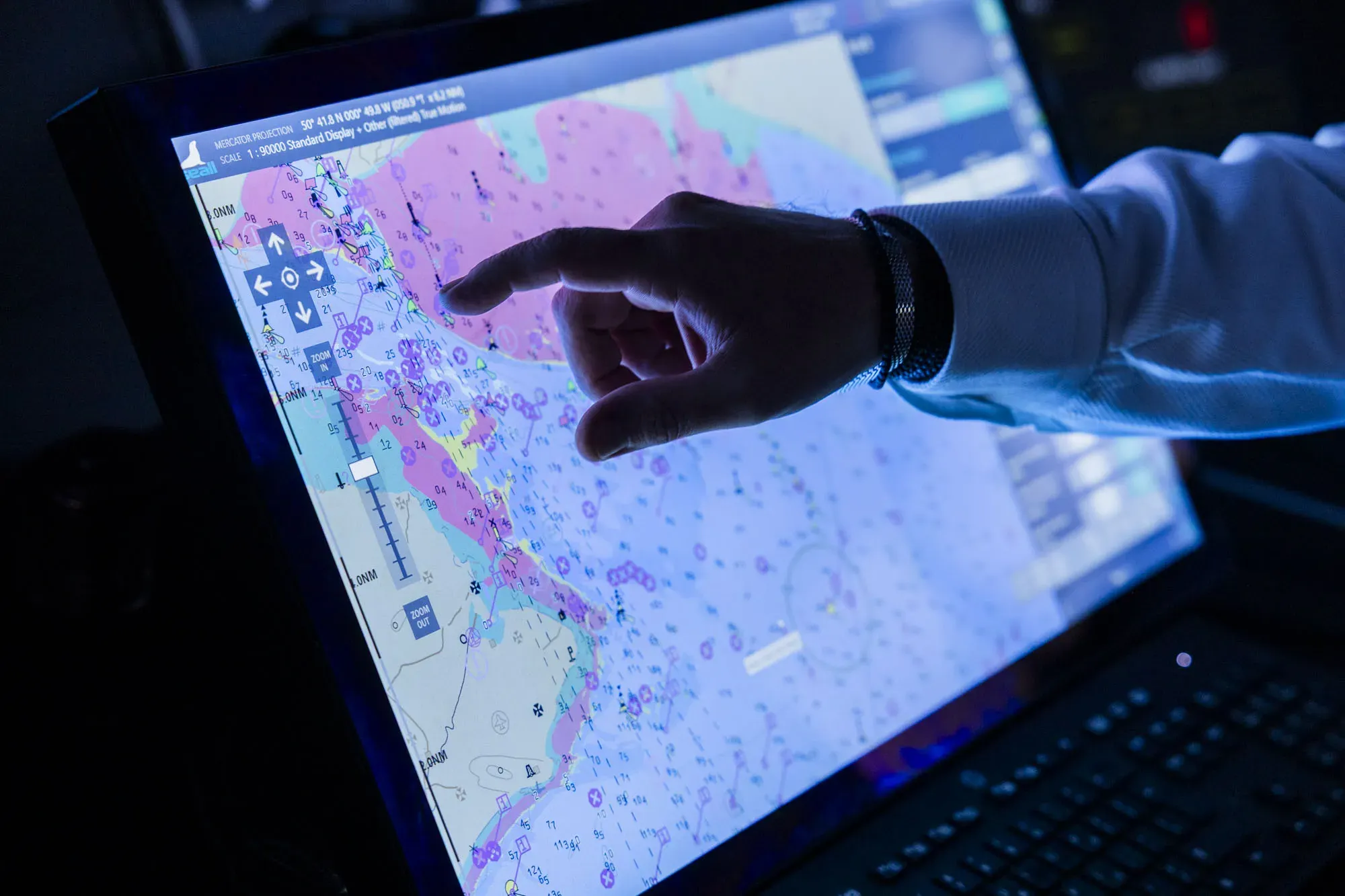
Q. Will I need to replace my ECDIS?
A. This is one of the most common questions we hear – and there is no single answer that applies to every existing ECDIS.
Importantly, the 2029 milestone applies to new ECDIS installations. It does not mean that every vessel must replace its existing ECDIS by 2029. The pace of adoption across the existing fleet is therefore likely to be more gradual.
Whether an existing system can be upgraded to support S-100 will depend on factors including its manufacturer, model, hardware and the upgrade pathway offered by the OEM. In some cases, changes may be possible through software or other upgrades; in others, new equipment may eventually be required.
That makes this an important conversation for shipowners and operators to begin having with their ECDIS manufacturers and service providers.
It is also important to distinguish between S-100 itself and the equipment used to display S-100 data. S-100 provides the framework through which different types of maritime information can be created and exchanged. How that information is integrated, processed and presented on the bridge is also shaped by ECDIS performance standards, type approval and individual equipment manufacturers.
Preparing for S-100 therefore does not necessarily mean replacing equipment today. It means understanding what you have, what its upgrade path is and how that fits with future fleet plans.
Q. Will having more information make navigation more complicated?
A. It is an understandable concern. S-100 will make more types of navigational information available to bridge teams, while also introducing information that may look or behave differently from what mariners use today. But more data does not have to mean more complexity.
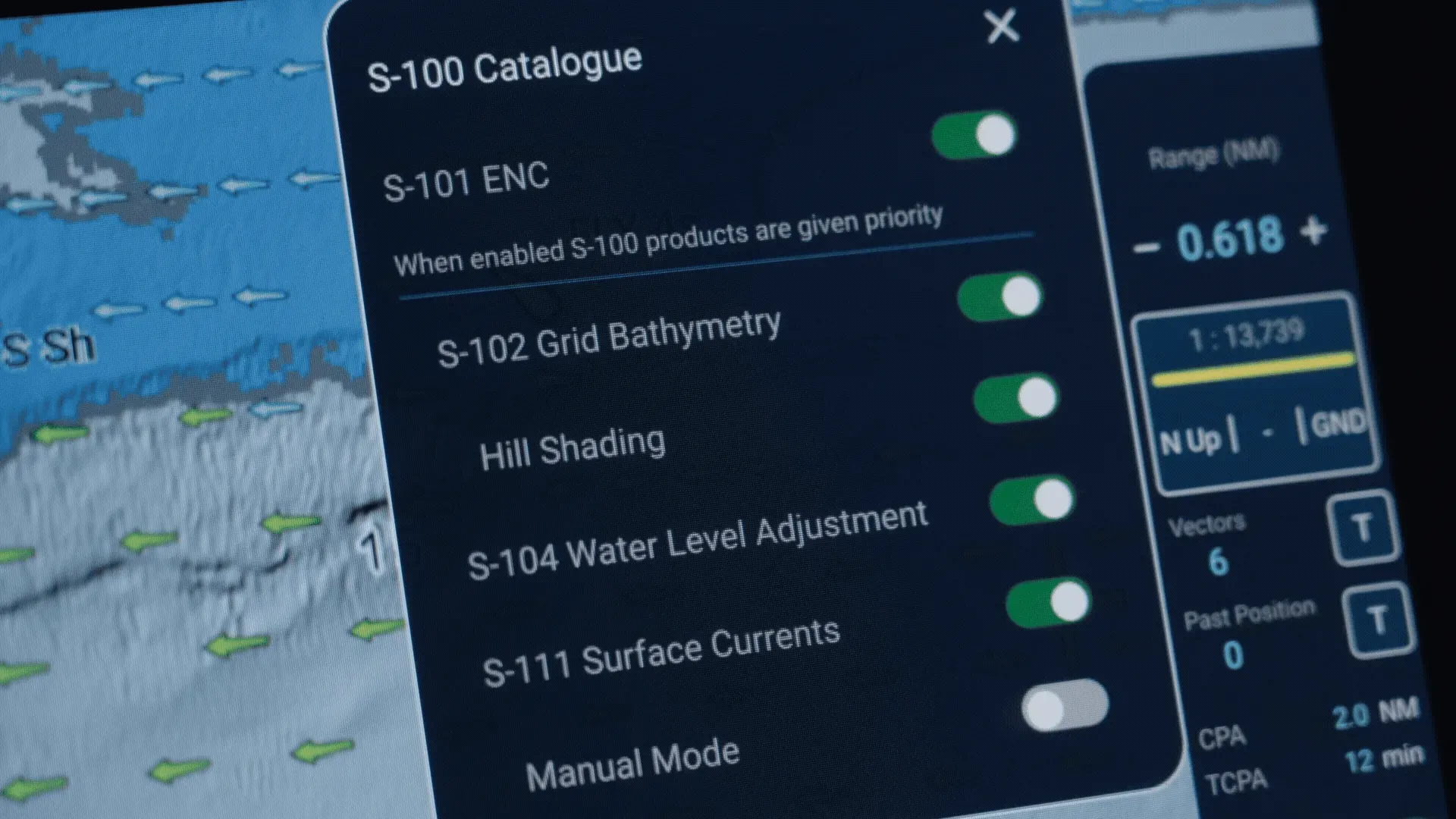
Image shows prototype S-100 ECDIS menu with data layers as toggle-able on/off sliding radio buttons. Image credit: Teledyne Raymarine Commercial
First, mariners will not need to display every available S-100 dataset at the same time. Different layers can be switched on and off depending on what is relevant to the task, whether planning a passage or executing it. Some S-100 products are also designed to work together. For example, S-102 high-resolution bathymetry can be combined with S-104 water level information to support a safety contour that changes dynamically as conditions change. The mariner does not need to interpret each underlying dataset separately to benefit from the information they provide.
The second consideration is how mariners respond to new types of data and ways of displaying it. Here, familiarity has been an important part of the development of S-100. S-101 ENCs are intentionally designed to retain the familiar look and feel of the S-57 ENCs mariners use today, rather than presenting them with a completely new navigational environment.
Other S-100 products can introduce less familiar information. S-102, for example, can provide a much more detailed, gridded representation of the seabed than mariners are accustomed to seeing through traditional charted depth contours. This is one reason why testing with mariners is so important: not simply to establish whether the data can be displayed, but whether it can be understood and used effectively.
Our S-100 trials so far have provided encouraging feedback. In simulator testing, professional mariners became comfortable working with S-100 data after only a few hours of familiarisation. Additional information did not necessarily result in greater complexity and, in some scenarios, higher-resolution bathymetry helped bridge teams identify safe waypoints with greater confidence and reduced nuisance alarms caused by less detailed depth contours.
The aim of S-100 is therefore not simply to put more information on an ECDIS screen. It is to make relevant information easier to access, combine and use when it can support navigational decision-making.
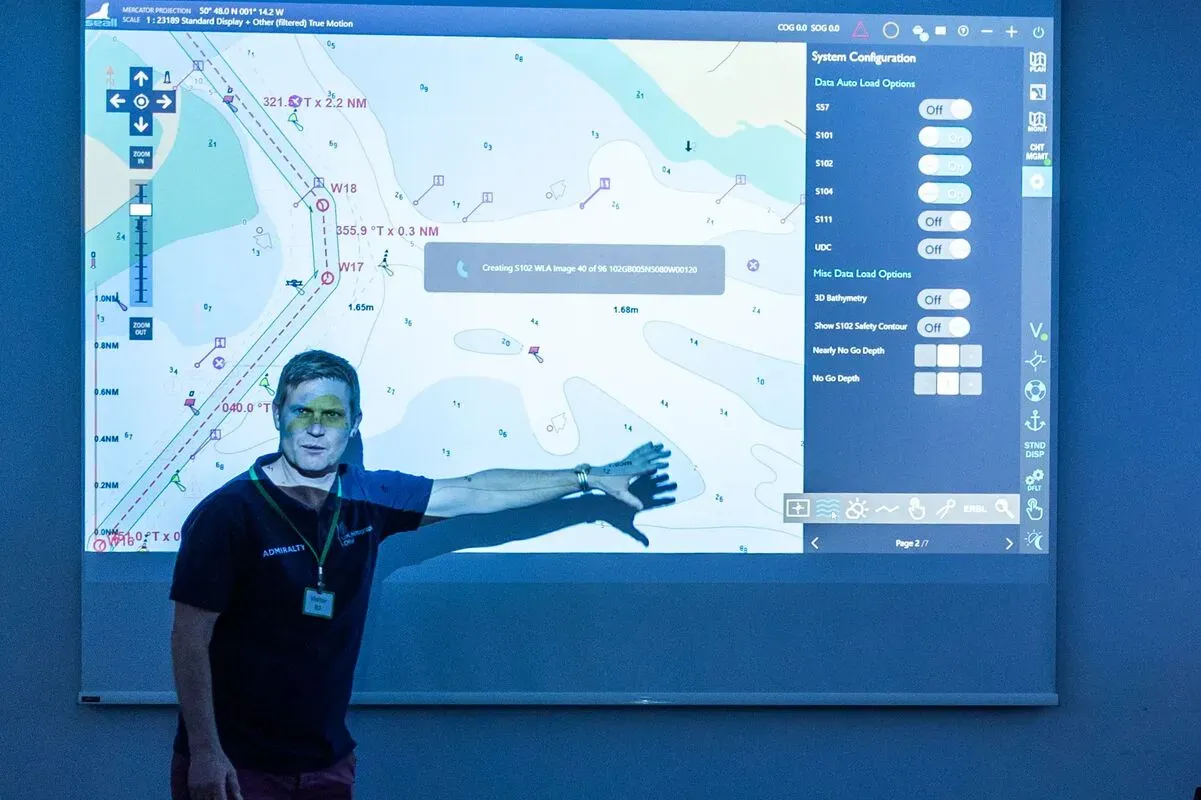
Q. How will mariners learn to use S-100?
A. New technology alone does not deliver safer navigation. People need to understand how to use it.
S-100 will introduce new functionality and new types of navigational information, making familiarisation and training an important part of the transition. However, for mariners already familiar with S-57 ECDIS, the experience is designed to remain recognisable. S-101 ENCs intentionally retain the familiar look and feel of existing ENCs, while additional information can be displayed when relevant and switched off when it is not needed.
The transition is therefore not about relearning the fundamentals of navigation. Bridge teams will still need to understand their vessel, assess the navigational situation and apply professional judgement. S-100 is intended to provide better information to support those decisions.
Work is taking place internationally with maritime authorities and training providers to understand how existing ECDIS training will need to evolve for S-100. Shipowners, operators and mariners can begin discussing the transition with their chosen training providers as part of their preparations, while requirements continue to develop.
Practical experience will be important too. Simulator exercises, sea trials and demonstrations are already allowing mariners to interact with emerging S-100 systems. Our own S-100 trials have shown that experienced mariners can become comfortable using S-100 functionality after only a few hours of familiarisation, while their feedback is helping hydrographic offices, equipment manufacturers and other organisations identify where further development or guidance may be needed.
This practical feedback is helping to shape how S-100 moves from technical standards into everyday navigation.
Q. What should shipowners, operators and mariners be doing now?
A. Not every decision about S-100 needs to be made today. But preparing for the transition does not need to wait until 2029 either.
For shipowners and operators, preparation can begin with some relatively straightforward questions. What ECDIS equipment is currently fitted across the fleet? What does the manufacturer say about S-100 compatibility or upgrade options? When are vessels or systems likely to be replaced? And how will future training and familiarisation requirements be incorporated into existing plans? For mariners, the immediate priority is awareness. Understanding what S-100 changes – and what it does not – will make it easier to engage with new functionality as it becomes available.
The answers will also become clearer as operational experience grows. S-100 services and systems are increasingly moving out of technical development environments and into simulators, sea trials and early operational services, allowing the industry to learn from real-world use.
That is an important part of the S-100 transition timeline.
S-100 represents a significant evolution in how navigational information can be created, exchanged and used. It will introduce change, but it is not a single moment when one way of navigating is switched off and another switched on. The transition will happen progressively, with existing and new technology operating alongside one another and with mariners, hydrographic offices, equipment manufacturers, regulators and training providers all playing a part.
The questions being asked today are a sign that this transition is becoming real. By answering them openly – including being clear about what is decided, what is being tested and what is still evolving – we can help the industry prepare with greater confidence.
Name
Thomas Mellor
As Head of Technical Partnerships, Tom leads the UKHO’s collaboration with technical partners including Original Equipment Manufacturers (OEMs) to enable the development of e-navigation products and S-100 solutions for Electronic Chart and Information Display Systems (ECDIS).
Tom works at the forefront of the latest ‘next generation’ navigation technologies to support the implementation of new standards that can help improve safety, efficiency and optimisation.
S-100: Shaping the future of navigation
Discover how the next generation of data standards will transform the way decisions are made from ship to shore.
Read more on this topic
Search Title
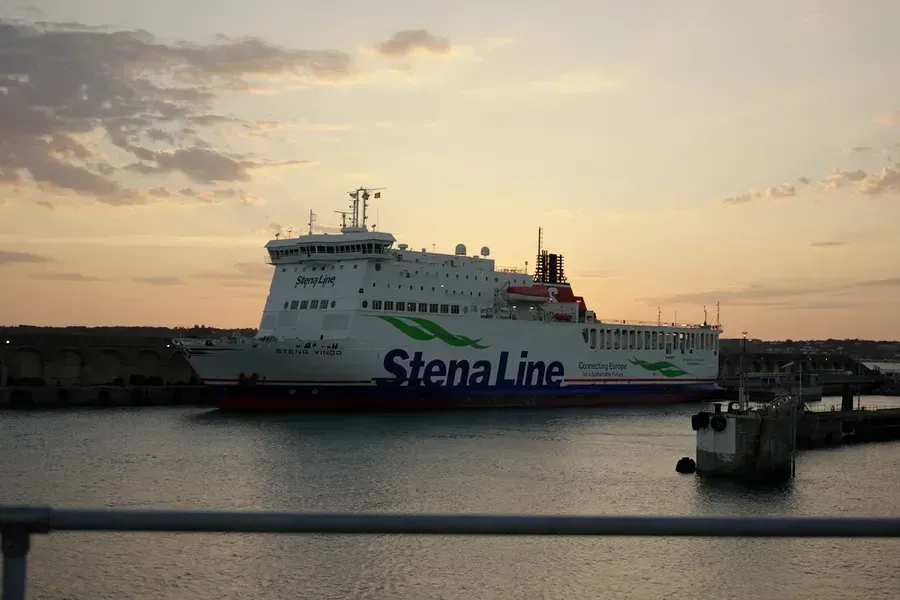
Inside the trials: testing S-100 aboard Stena Vinga
What happens when emerging S-100 data and technology move from the simulator environment onto the bridge of a working vessel? A sea trial aboard Stena Vinga put S-100 to the test on a challenging passage between Portsmouth and St Helier, Jersey, helping the UK Hydrographic Office and its partners better understand how S-100 can be developed to meet the needs of mariners.
Search Title
S-131: building the data foundations for connected ports
Discover how S-131 could help make trusted, machine-readable port infrastructure data more accessible and usable, supporting safer navigation, more efficient port calls and increasingly digital maritime operations.
Search Title
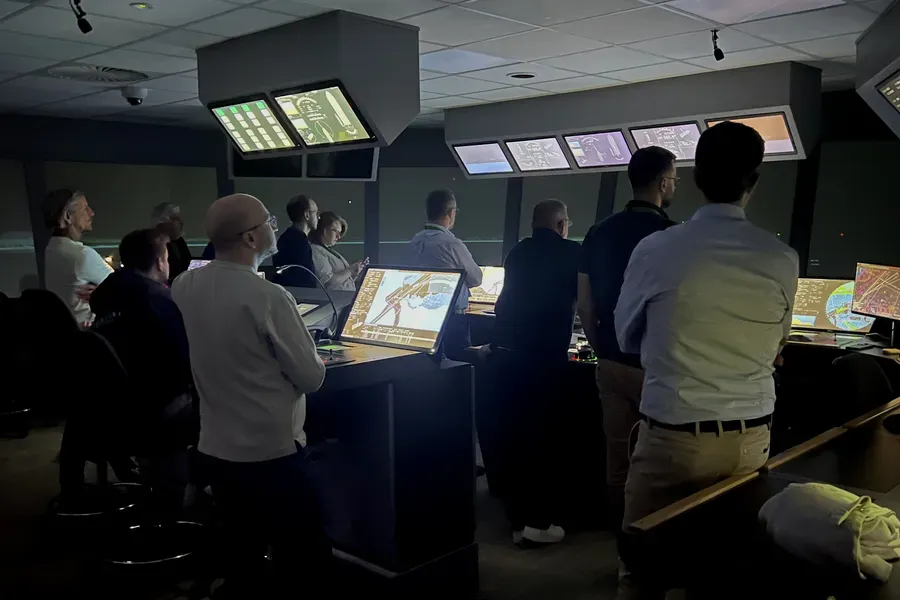
Four ports, one emerging global view of S-100
Could having more maritime data actually reduce the amount of interpretation required on the bridge? In this multimedia feature article, pilots, mariners and hydrographic offices reflect on evaluating trial S-100 data sets across four challenging port environments, revealing a consistent view of how richer maritime data could support more efficient navigational decision-making.